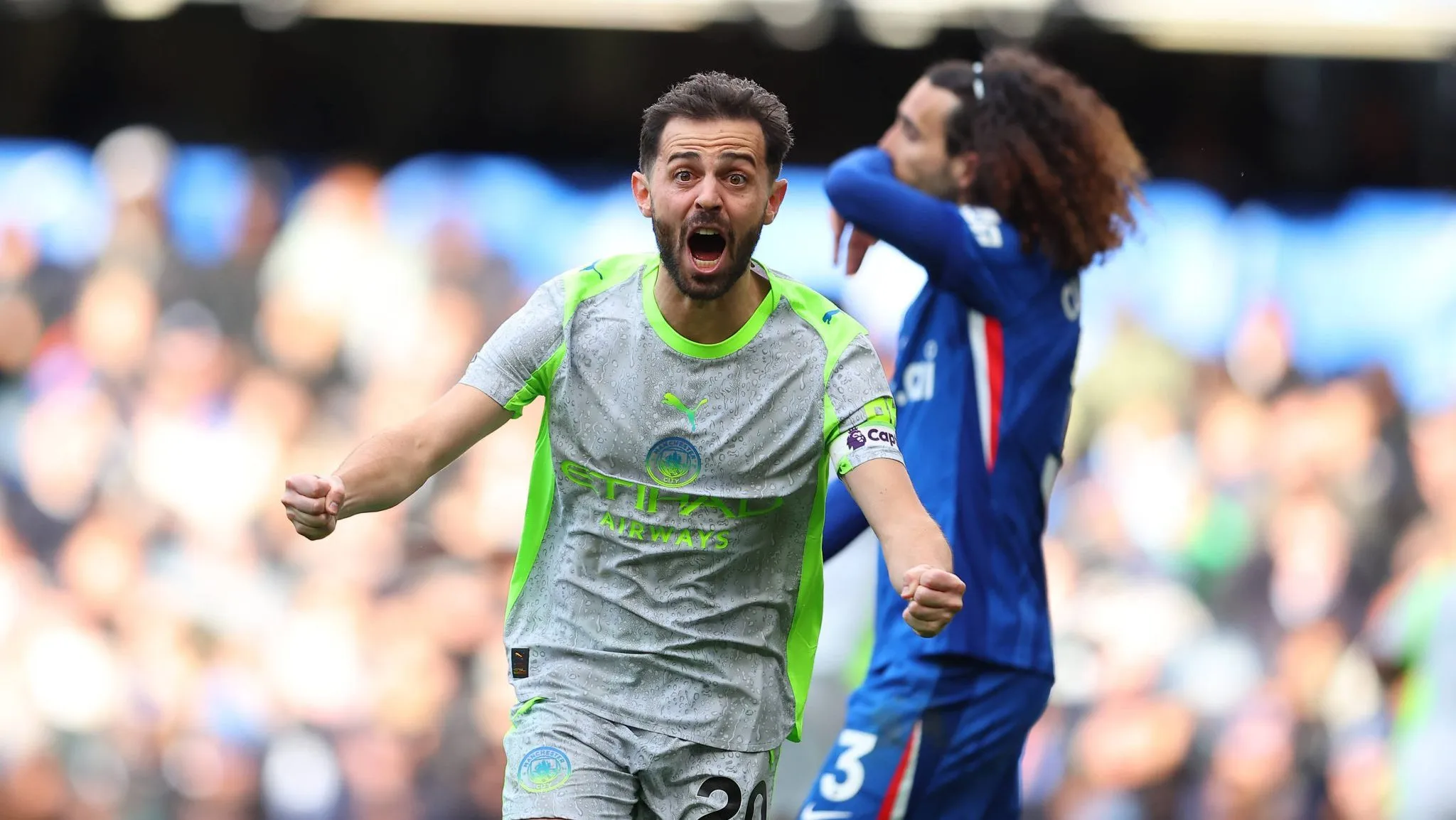
Jogo Hoje reports that on Sunday (12), Manchester City turned the table at Stamford Bridge, beating Chelsea 3-0 away with a second-half surge that reinstalled them in the driver’s seat of the Premier League title race. The scoreline looks simple, but the mechanism behind the comeback was anything but.
City arrived with 64 points and left with the kind of control that matters: they now depend on their own results. Win their next two matches and the title conversation swings back toward them, even with goal-difference arithmetic still looming over the Arsenal challenge.
The turnaround that puts City back in control of their own Premier League destiny
Let’s be honest: the first half at Stamford Bridge had “City are going to pay for this” written all over it. Chelsea’s opening spell was rhythm-heavy, aggressive through the left, and full of direct intent. Then Guardiola and his staff flipped the chessboard. The second half wasn’t just better—it was smarter. City shifted the balance from chasing moments to imposing control territorial through the ball, pushing Chelsea’s lines back, and forcing the home side to defend in uncomfortable spaces.
From that point, City’s identity showed up the way it usually does when it’s working: bloco baixo when needed, then a rapid lift forward into terço final territory. But the real difference was the way they attacked after winning the ball—pressão pós-perda—combined with disciplined recovery, the rest defense that stopped Chelsea from turning transitions into momentum.
How Chelsea started well, and why they couldn’t sustain the tempo
Chelsea set the tone early with a clear plan: get at City’s channels, overload the left, and keep the tempo up long enough to make City’s structure feel late. Pedro Neto repeatedly tested Matheus Nunes, and Marc Cucurella even found the net, only for the goal to be ruled out for offside. That’s the kind of moment that can either spark a team or expose its ceiling—and Chelsea couldn’t build on it.
City, meanwhile, were forced into survival mode. Donnarumma—making his first start since international duty—had to be sharp, especially when Erling Haaland and Antoine Semenyo threatened in the closing moments. On the other side, Robert Sánchez also worked to keep the score respectable. If Chelsea’s plan was to punish City before the interval, why didn’t it finish the job?
The answer is tactical fatigue and spatial mismatch. Chelsea’s early dominance didn’t come with the ability to manage the inevitable shift. Once City started compressing the pitch and dictating ball circulation higher up, Chelsea’s attacking rhythm lost its spring.
Cherki as the trigger: the second-half transformation
Rayan Cherki was the spark, but not in the fluffy, highlight-reel sense. He was the trigger for the entire structural change. He provided two assists and, more importantly, he changed how City played between lines—turning possession into a weapon rather than a comfort blanket.
He had already created chances in the first half, but the real statement came right after the restart. With more time to receive and hold, Cherki found the timing that unlocked City’s attacking patterns. Guardiola had praised him beforehand as one of the most talented players he’d ever seen—this wasn’t just talent showing. This was a system-level impact.
And because City’s movements were coordinated, Cherki’s decisions didn’t just beat defenders; they broke Chelsea’s confidence. When a team can’t read the entrelinhas defensivas, the whole press begins to look optional. That’s when the game tilts.
The 17-minute burst that dismantled Chelsea
After the break, City built a run that lasted 17 minutes and effectively ended the contest. First, at 6 minutes, Haaland drew defenders in and created the free header for Nico O’Reilly in the small area. That goal wasn’t luck—it was an exploitation of the match’s geometry.
Then came the second punch, at 12 minutes. Cherki did the hard part: he held the ball long enough to pull Chelsea’s shape apart, then found Marc Guéhi unmarked. Guéhi finished into the bottom-left corner, leaving Sánchez with no realistic response. Once those two strikes landed, Chelsea’s reaction plan was basically gone. What options were left when the gaps formed inside their own defensive logic?
By 23 minutes, City sealed it. Doku punished a sloppy Caicedo exit, stole possession, and finished with freedom—no chance for the goalkeeper. That’s the dark side of conceding control: you don’t just lose territory, you lose the ability to recover into rest defense.
- Placar: Manchester City 3 x 0 Chelsea
- Second-half turnaround built in 17 minutes
- Goal by Marc Cucurella was annulled for offside
- Chelsea suffered their second consecutive 3-0 Premier League defeat
- Cherki delivered 2 assists as the catalyst
- City reached 64 points
What the win changes in the table, and why Arsenal now feels closer
City’s victory brings them back into the Premier League title orbit with a simple storyline: win and you’re back in control. Next up is Arsenal on Sunday (19), followed by Burnley on Wednesday (22). These aren’t “nice games” on the calendar—they’re the kind of fixtures that decide narratives.
Also, the math matters. Chelsea’s collapse doesn’t just affect them; it rearranges the pressure around the title race because City still need to erase the goal-difference advantage that gives the Gunners the edge. In other words, City can be in charge and still have work to do. That’s the tension competitive football loves to manufacture.
The pressure grows on Chelsea, and European hopes start to look shaky
For Chelsea, this wasn’t merely a loss—it was a momentum leak. It became their second 3-0 defeat in the Premier League, and it compounds the turmoil after their Champions League elimination to Paris Saint-Germain. Liam Rosenior is now fighting on two fronts: results and perception.
Even if the title race doesn’t directly care about Chelsea’s internal problems, the league does. With Liverpool’s win widening the gap, Chelsea’s European qualification ambitions take another hit. When you’re chasing Europe, you can’t afford to give away control and then get punished in a 17-minute window. That’s how seasons turn.
O Veredito Jogo Hoje
City didn’t “get lucky” after halftime—they executed a deliberate plan: absorb the early heat with structure, then weaponize possession with controle territorial, trigger transição ofensiva through Cherki’s between-the-lines touches, and shut the door with pressão pós-perda plus rest defense. Chelsea’s start was brave, but they couldn’t survive the second-half redesign. This is the kind of win that doesn’t just move you up the table—it puts a belief system back in your dressing room. And in a title race, belief is a tactical advantage.
Perguntas Frequentes
How did Manchester City beat Chelsea 3-0 away?
City dominated the second half after a tougher first period, building a decisive 17-minute burst. Cherki provided two assists, Nico O’Reilly, Marc Guéhi, and Doku scored, while Chelsea struggled to generate a sustained response once their structure was broken.
What was Rayan Cherki’s role in the turnaround?
Cherki was the catalyst. He helped City shift from a defensive, reactive phase to ball-led control, then delivered two assists by timing his holds and passes to unlock Chelsea’s entrelinhas defensivas.
What does the win change in the Premier League title race?
City reached 64 points and regained control of their own destiny: they can decide their fate with results in their next two games, starting with Arsenal on Sunday (19) and followed by Burnley on Wednesday (22). Goal difference remains relevant, but the path runs through City.