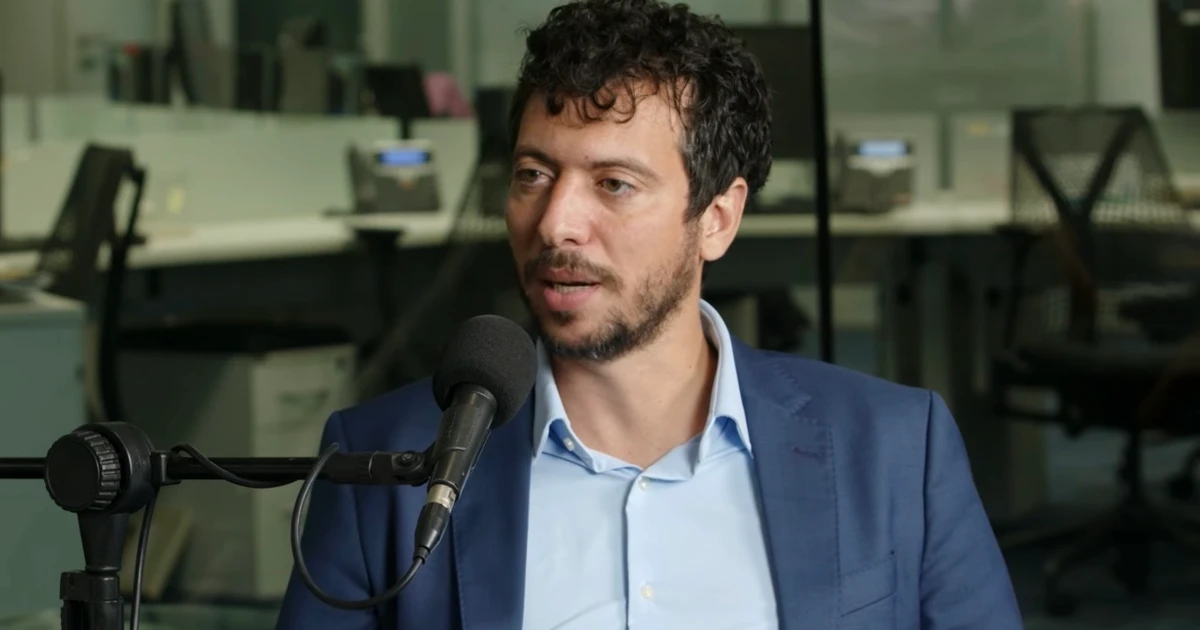
Jogo Hoje has been mapping the financial sustainability rules as they roll out in Brazil, and the latest clarification from ANRESF makes one thing crystal clear: you can put money in—just not in a way that turns the club into a future debt bomb. In an interview dated 12/04/26 at 13:02, ANRESF president Caio Resende laid out the accounting logic behind the CBF’s system, and it’s technical enough to matter for every boardroom sweating patrimônio líquido and dívida líquida.
According to Resende, the intent is to protect clubs as long-term assets, not as quick-growth experiments powered by leverage. He’s basically drawing a hard line between investment that strengthens the balance sheet and funding that merely postpones the bill. And for anyone watching the evolution of SAF models and the estrutura multiclube playbook, that line is where the drama lives.
What Caio Resende explained about capital injections
Resende’s key message is straightforward, even if the accounting details aren’t: the sustainability rules permit capital injections without a numerical cap, but only when the injection lands as an increase in patrimônio líquido, meaning an equity boost on the accounting side. In his words, the money has to come in as an equity increase, not as a funding structure that creates future obligations.
That matters because the club’s financial health isn’t just about how much cash hits the bank today; it’s about how the transaction shows up in the balanço contábil and what it does to the club’s ability to operate safely next season, and the one after that. Resende points to a core risk: a strategy built on endividamento excessivo may look like momentum, but it compromises sustainability for the medium and long term.
So when someone asks “Can an owner just pour money in?”, the answer is yes—so long as it’s structured correctly. The rules are designed to stop owners from using the club as a leverage vehicle, then pretending the long-term debt isn’t part of the deal.
The line between legitimate investment and disguised debt
The controversy sits in the difference between an injection and a loan. Resende’s phrasing is direct: what is barred is money that enters as a loan with debt as the future counterparty. In other words, the regulator doesn’t want a scenario where a person lends to the club and later demands repayment like it’s just a normal IOU with a later bill attached.
Resende used a clean example: a shareholder or owner funding the club via a person-to-club loan—especially one that can be repaid later—cannot be treated as equivalent to equity. The sustainability framework is built to prevent that kind of accounting workaround from showing up as “support” while actually inflating financial pressure later.
From a technical standpoint, this is about how the transaction affects metrics that regulators care about: dívida líquida, leverage, and the club’s overall capacity to stay within the guardrails. If the funding creates future debt, it feeds the very risk the system is trying to suppress.
How the rule targets SAFs, multiclubs, and cases like Botafogo
Resende connects the dots to the real-world environment where SAFs and multiclubs operate, including the kind of cross-border and cross-structure relationships that can blur financial reality. He explicitly references the broader debate around how owners and groups can use financial engineering to manage indicators.
For Botafogo’s context, the statement lands with extra weight because the question isn’t whether money can enter; it’s how it’s classified and reported. If a club under a multiclub umbrella relies too heavily on strategies that produce favorable accounting outputs without matching economic substance, the regulator is signaling it won’t play along.
And let’s be honest: the temptation is obvious. When you can shape the balanço contábil through timing, valuation, and internal flows, the numbers can start telling a more convenient story than the one the pitch demands.
Why intragroup transactions will be scrutinized closely
The second pillar of the clarification is about transação intragrupo inside the same ownership ecosystem. Resende says the regulations include specific annex rules for how sales of players between clubs in the same ownership structure must be recorded. The core point is: you can’t “just set a price” and call it a day.
He referenced the logic behind valuation controls and reporting requirements designed to prevent manipulations that create artificial accounting gains. The example he used is a classic workaround in sustainability systems worldwide: if a group wants to avoid showing a loss, it can engineer a sale price inside the ownership structure, booking a profit that doesn’t reflect true market reality.
That’s why Resende says the rules don’t focus solely on the cash effect; they focus on how the transaction appears in the sustainability indicators. The regulator’s mindset is: “I don’t care where the money goes for cash-flow theatre. I care how the deal rewrites the metrics.”
So yes, the system is aimed at preventing groups from shifting accountability. If a group has clubs in countries with different levels of scrutiny, the incentive to move “problem accounting” around becomes the regulator’s target.
What changes in practice with the new CBF sustainability system
Practically, this framework changes how clubs and owners must think about funding and reporting. For boards, the big shift is governance: capital injections are allowed, but the accounting classification is now a compliance matter, not just a finance preference. If an injection doesn’t translate to an increase in patrimônio líquido, it risks being treated as prohibited debt-like financing.
For multiclubs and SAF ecosystems, the emphasis on regulamento de sustentabilidade style reporting translates into tighter controls on intragroup deals. Player transfers between affiliated clubs—especially where valuation could be stretched—must be registered with the proper structure so the indicators used to measure sustainability can’t be gamed through selective accounting.
And for fans, the key takeaway is blunt: this is regulation that can slow down “creative” growth strategies. If a group’s plan relied on bending the endividamento excessivo line or hiding future pressure inside funding mechanics, that plan now faces a ceiling.
O Veredito Jogo Hoje
This is the kind of rule that doesn’t get headlines on matchday, but it absolutely dictates the next five seasons. Resende’s message is a warning label for SAF boards and multiclub masterminds: you can invest, sure, but you can’t turn the club into a ledger trick where patrimônio líquido is “improved” while dívida líquida waits in the wings. If you’re betting on accounting gymnastics instead of sustainable squad building, the CBF’s sustainability framework just tightened the screws—and Botafogo will feel it like everyone else in the ecosystem.
Perguntas Frequentes
Will the CBF limit capital injections into clubs?
Resende’s clarification indicates there’s no blanket restriction on capital injections themselves. The condition is how the injection is structured on the balanço contábil: it must come as an increase in patrimônio líquido, not as a loan that creates future debt.
What’s the difference between a capital injection and a loan to the club?
A capital injection, under these rules, boosts patrimônio líquido and strengthens the club’s equity position. A loan provides funds with a repayment obligation later, effectively embedding debt and undermining the goal of controlling endividamento excessivo and protecting sustainability.
How will financial sustainability rules police multiclub structures?
The system includes specific guidelines for transação intragrupo, especially player transfers between clubs within the same ownership ecosystem. It sets expectations for how these deals must be recorded in the accounting registers to prevent manipulation of sustainability indicators through artificial accounting outcomes.