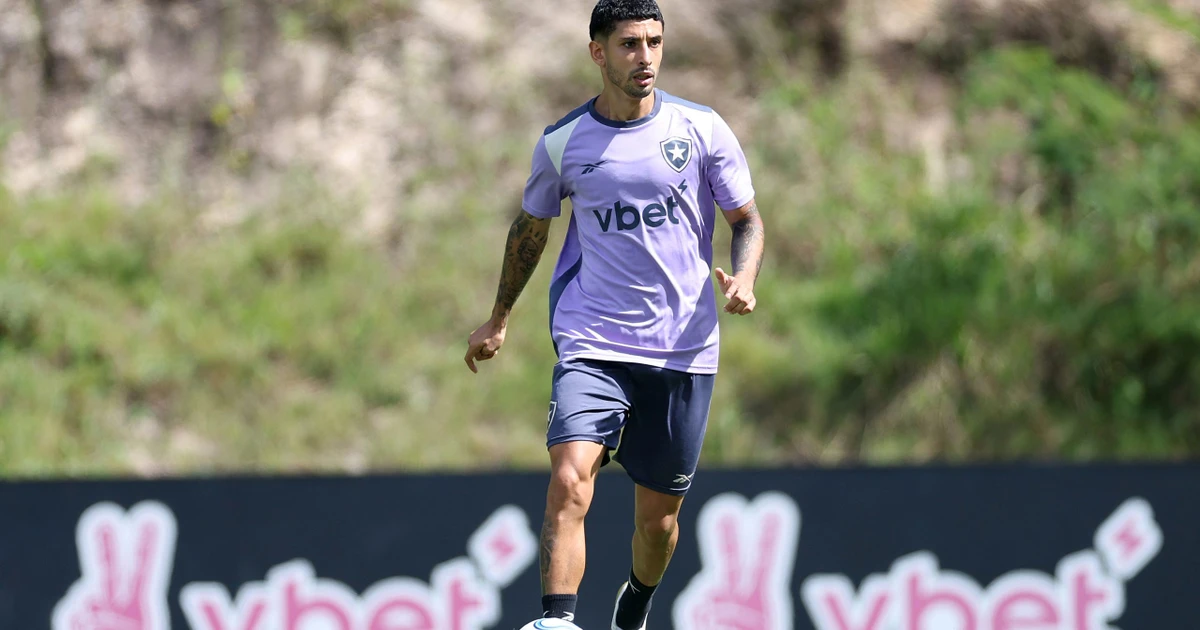
In the fast-moving transfer market, timing is everything, and Danilo’s next move looks engineered rather than improvised. According to what we’ve been tracking on Jogo Hoje, the Botafogo plan is straightforward: monetize an asset after the 2026 World Cup, ride the value growth that a World Cup call-up can trigger, and then cash in with a negotiation margin built into the price tag.
The urgency is mercantile, not sentimental. Botafogo don’t want to sell Danilo just to “move the books”; they want to sell him at the top of the wave. So the question for every bidder—especially in Brazil—is simple: who can pay the number when the window finally opens?
The sale scenario: why Botafogo is waiting for the 2026 World Cup
The core of this story is not a rumor mill spinning its wheels. It’s a strategy anchored to a calendar. Danilo is expected to have a probable exit after the Copa do Mundo de 2026, and the club’s logic is financial: a strong World Cup run can reprice a player’s market value overnight. That’s where Botafogo see their leverage—turning exposure into an upgraded proposed offer in euros and protecting their downside.
And let’s be blunt: Botafogo aren’t banking on luck. They’re betting on utilization and visibility, the kind that makes European recruiters pick up the phone. In that sense, the transfer window becomes the finish line, while the World Cup is the sprint. If Danilo lands a call-up, the club’s assumption is that the demand curve shifts upward. If he doesn’t, Botafogo still keep the option to negotiate, because the price they’ve floated already signals a “we won’t panic” stance.
How much Botafogo want and why it prices out domestic rivals
Botafogo’s target is roughly €40 million, which comes out to about R$230 million. In a Brazilian context, that’s a ceiling, not a floor. That’s why the domestic market can feel locked: if you can’t clear the valuation without stretching your squad budget, you’re not really in the race—you’re just watching from the stands.
Here’s the key numbers layer. Reports point to an initial euro offer around €30 million, roughly R$172 million, coming from the first wave of interest. That gap matters. It’s not a rounding error; it’s a negotiation line in the sand.
From a finance-first viewpoint, Botafogo are buying time to widen the negotiation margin. Their bet is that between now and the post-World Cup moment, Danilo’s performance environment and potential World Cup call-up can convert “possible” interest into actual bids. So the club can afford to be firm. Why sell at €30 million when the same asset could command €40 million—or more—if the spotlight turns on?
Europe first: the scouting trail and Danilo’s preferred destination
Danilo’s priority is clear: return to Europe and join a club that fights for titles. That preference isn’t just about prestige; it’s about contractual stability, competitive minutes, and—let’s call it what it is—brand and market visibility that a Brazilian league can struggle to replicate at the same intensity.
And European bidders are already in the picture through scouting and early signals. The clubs mentioned in the scouting trail include:
- Fulham
- Zenit
- Monaco
- Benfica
- Arsenal
- Galatasaray
That list tells you something. Botafogo aren’t dealing with random local noise; they’re seeing interest from markets where a midfield profile like Danilo’s can be valued not only for role execution but for tactical adaptability. In other words, Europe understands what they’re buying when they buy a controlling or transitional midfielder.
Palmeiras and Flamengo: how each enters the bidding—without stealing the show
If the deal happens inside Brazil, Danilo’s preference is reportedly Palmeiras. That’s not surprising: Palmeiras have shown they can structure competitive offers and move decisively when a player fits their system. But here’s the catch: Palmeiras can’t just “want it” and assume it happens. The €40 million ask sets the terms.
Meanwhile, Flamengo are framed as a last resort. Reports indicate they would be considered only in an “ultimate case,” and crucially, that’s described as respect for Botafogo’s position. Translation? Flamengo may circle, but Botafogo hold the steering wheel. If Botafogo are committed to their post-World Cup monetization plan, they won’t let domestic emotion rewrite the valuation.
So the Brazilian powerhouses aren’t equal bidders in this particular chessboard. Palmeiras starts closer to the player’s personal preference. Flamengo moves into the picture only if the negotiation margin shifts—either because European bids don’t materialize, or because the price expectation gets renegotiated under pressure. And if you’re wondering whether Botafogo will blink—ask yourself one question: why would they, when waiting could lift the price?
What changes if Danilo gets called up for the 2026 World Cup
In transfer economics, convocation for the Copa is a multiplier. A World Cup call-up can upgrade a player’s perceived ceiling, turning scouting reports into “must-have” conversations. It’s the moment when a midfielder’s tempo, ball progression, and defensive timing become global data—not just local opinions.
If Danilo is called up, Botafogo’s strategy strengthens on three fronts:
- Demand rises as European clubs compete for a player with proven international exposure.
- Valuation recalibrates because performance under tournament pressure is hard to discount.
- Negotiation leverage increases since the asking fee becomes harder to argue against.
That’s why the club thinks there can be value growth after the World Cup. It’s also why the current gap between €40 million and the ~€30 million indications is so important: the club is essentially waiting for the market to catch up with its internal valuation.
O Veredito Jogo Hoje
This is a textbook case of a club using the calendar as a bargaining chip. Botafogo aren’t selling Danilo because they “need to”; they’re selling because they want to price him at the top of the market, and the World Cup is the match where that number can be justified. Palmeiras might be the cleanest fit inside Brazil, but Flamengo won’t crash the party unless Botafogo’s negotiation margin gets forced down. Europa is the destination they’re steering toward, and the €40 million target reads like a warning shot: anyone who underestimates the timing is the one getting underpaid.
— Jogo Hoje, Sports Finance Desk
Perguntas Frequentes
How much does Botafogo want for Danilo?
Botafogo’s target is around €40 million (approximately R$230 million) for Danilo after the 2026 World Cup.
Why does Danilo prefer to return to Europe?
Because his priority is joining a strong European side competing for titles, with the kind of exposure and competitive environment that can accelerate value growth during the transfer window.
Can Palmeiras and Flamengo still sign the midfielder?
Yes, but Palmeiras are reportedly the first domestic option for Danilo, while Flamengo is considered only as a last-case scenario, “in respect to Botafogo.” The fee and timing after the 2026 World Cup remain the real gatekeepers.