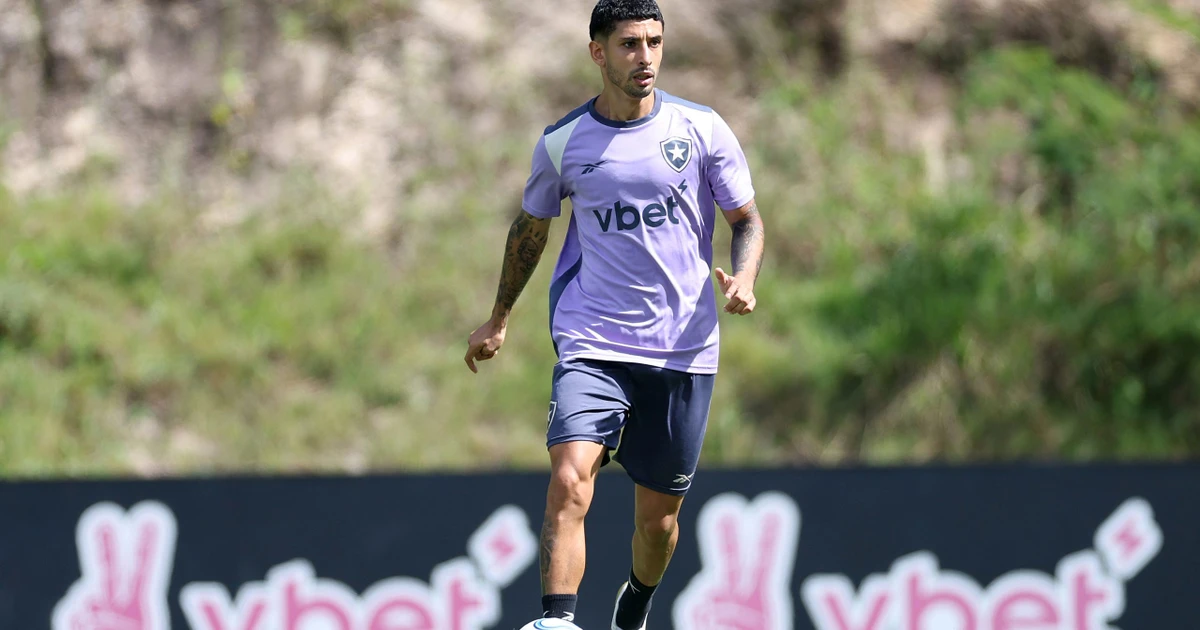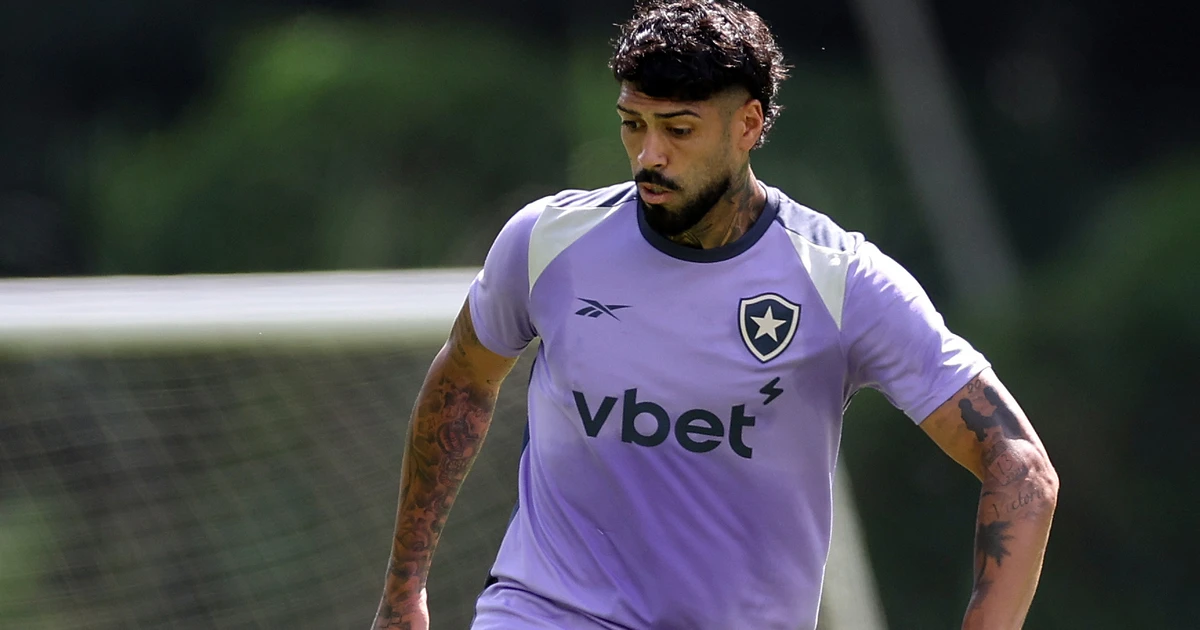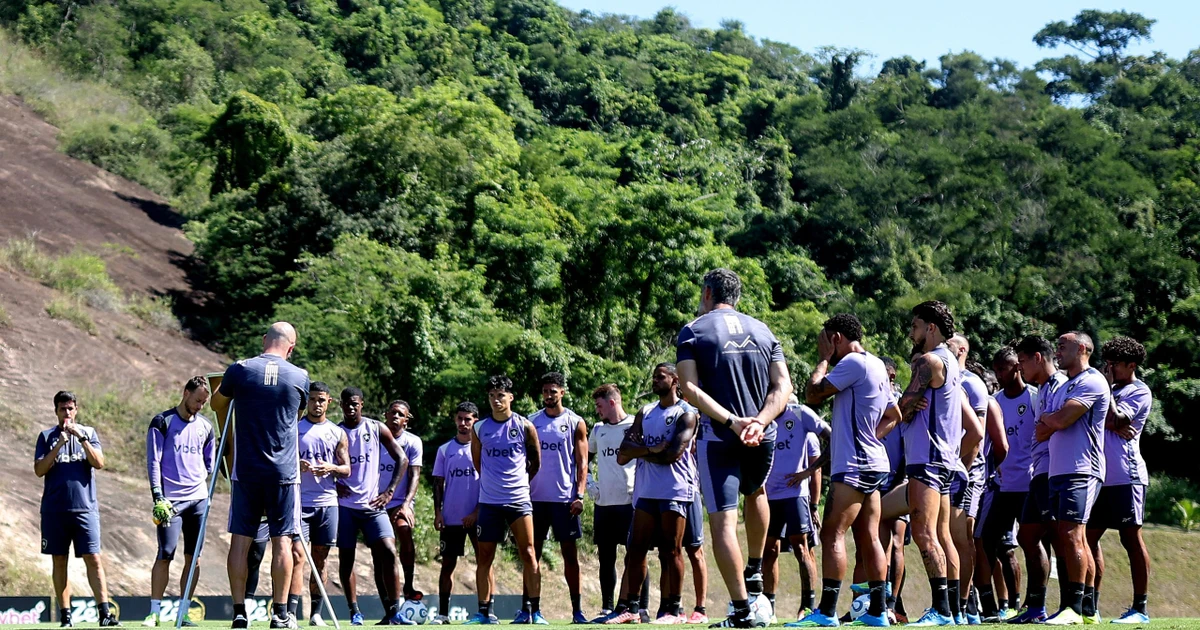
According to Jogo Hoje, Botafogo has stepped in with a financial operation to keep the wage payroll on schedule, meeting the legal requirement to pay players by the fifth business day of the month.
What happened to the wage payroll
The overdue pressure wasn’t theoretical. The club didn’t complete the deposits on Tuesday because the money hadn’t yet been passed through the pipeline to the athletes. The commitment now is straightforward: the salaries tied to April will be deposited as normal this Friday, staying inside the quinto dia útil deadline that Brazilian labor rules treat as the boundary between compliance and trouble.
From a finance angle, this is the difference between a controlled cash flow event and a messy slide into inadimplência. When you miss the window, you don’t just pay later—you also invite claims, costs, and credibility damage that linger.
Why the payment didn’t come earlier
Look, football clubs don’t get to “decide” payroll dates like they’re picking match kits. Payroll is timing, banking, and internal processing. In this case, the key point is that the cash wasn’t in the right hands early enough for Tuesday’s deposits. So the club moved the payment into the legal window, rather than forcing an out-of-sequence transfer.
And that raises the obvious question: if the club needs to run this kind of operation financial to hit a legal deadline, what happens when the next invoice stack lands on the same week? That’s the backroom reality most fans don’t see, but we do.
The role of the financial operation and what it fixes
Here’s the practical translation: the financial operation is a liquidity bridge. It keeps the club cash reserves from turning into a public firefight and prevents the wage issue from snowballing into legal escalation.
- It buys time to respect the fifth business day rule.
- It reduces the chance of new claims built on wage default arguments.
- It stabilizes the club’s internal calendar so they can plan around payments instead of reacting to deadlines.
In other words, this is fluxo de caixa management under stress. The club is trying to avoid the kind of spiral that can drag organizations toward recuperação judicial conversations. You don’t need a crystal ball to see where missed payroll deadlines can lead.
Barboza, the SAF turmoil, and the backdrop behind the decision
Wage money, at least for this cycle, is not being tied to a specific transfer. There’s a lot of noise around the negotiations for zagueiro Alexander Barboza, with figures floated around US$ 4 million. But the club’s message is clear: the April payroll funds do not hinge on Barboza’s sale to Palmeiras, which is still not official.
So what’s really under the hood? The SAF dispute, legal battles tied to Eagle Bidco/Ares, and the political pressure of John Textor being sidelined all contribute to an unstable financial environment. Add the need for new investors and recurring cash solutions to cover basic commitments, and you get a club that can meet deadlines—but only by constantly engineering liquidity.
Even the social side of the club received a proposal from GDA Luma to become the new majority shareholder of the SAF do Botafogo, with documentation under legal review. This is the kind of institutional uncertainty that tends to show up later as tighter bank windows, delayed settlements, and more payroll “timing games.”
What changes over the next few days
For now, the immediate scoreboard is payroll compliance: players should receive the April wages by Friday, staying within the quinto dia útil legal boundary. That matters because it helps the club avoid turning a finance headache into a full-scale legal storm.
But don’t confuse “on time” with “solved.” If the club’s ability to hit the deadline depends on repeated liquidity operations, then the next cycle is always one invoice away from looking ugly again. In the near term, the market will watch two things: whether the SAF situation eases enough to stabilize planning, and whether incoming cash sources become more predictable than today’s bridge financing.
O Veredito Jogo Hoje
Botafogo managed to keep the wage payroll inside the legal window, but let’s call it what it is: this is a liquidity bandage, not a full financial turnaround. Hitting the fifth business day deadline is the bare minimum that protects the institution from inadimplência fallout, and the club deserves credit for executing. Still, the fact they needed an operação financeira to prevent a payroll delay tells you the cash flow story isn’t stable yet—it's just being defended week by week. That’s why the alarm wasn’t about Tuesday’s transfer; it was about what happens when the next pressure wave hits.
— Especialista Financeiro, JogoHoje
Perguntas Frequentes
Will Botafogo pay wages within the legal deadline?
Yes. The club has aligned the deposits to be made by Friday, within the fifth business day payment window.
Does this financial operation relate to the Alexander Barboza transfer?
No direct link has been indicated for this payroll cycle. The money for April wages is not tied to Barboza’s sale, which is still not official, even though negotiations are reportedly in advanced stages around US$ 4 million.
Can the SAF crisis affect future wage payments?
It can. Ongoing disputes around the SAF, legal battles, and investor uncertainty can tighten club cash availability, making future compliance more dependent on timely liquidity operations and negotiations.