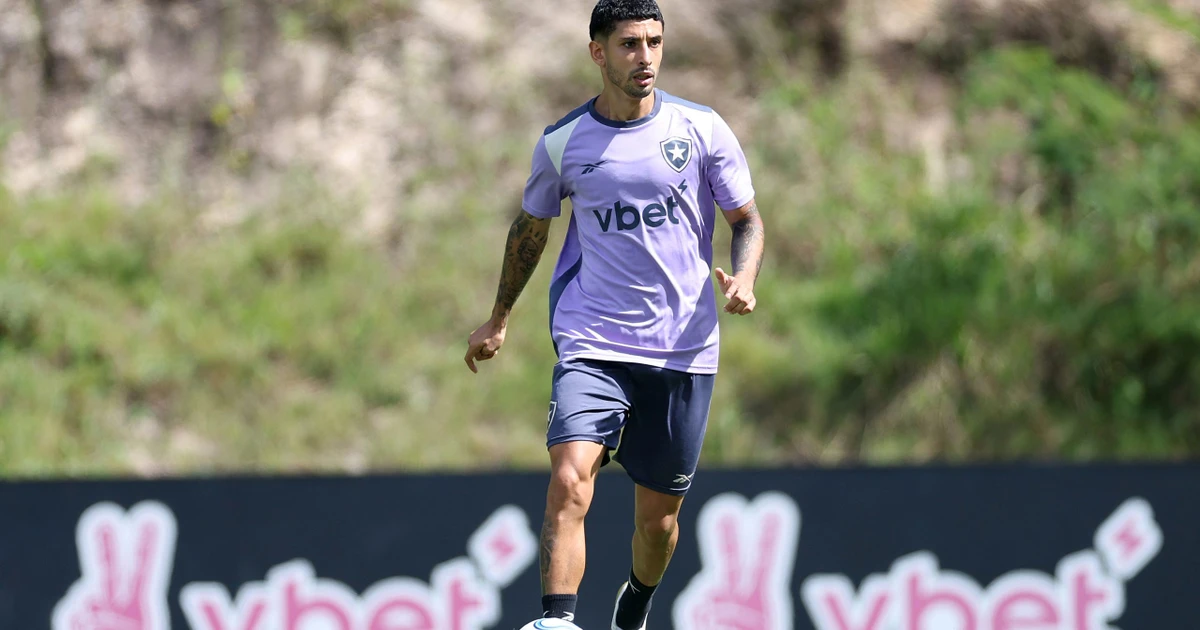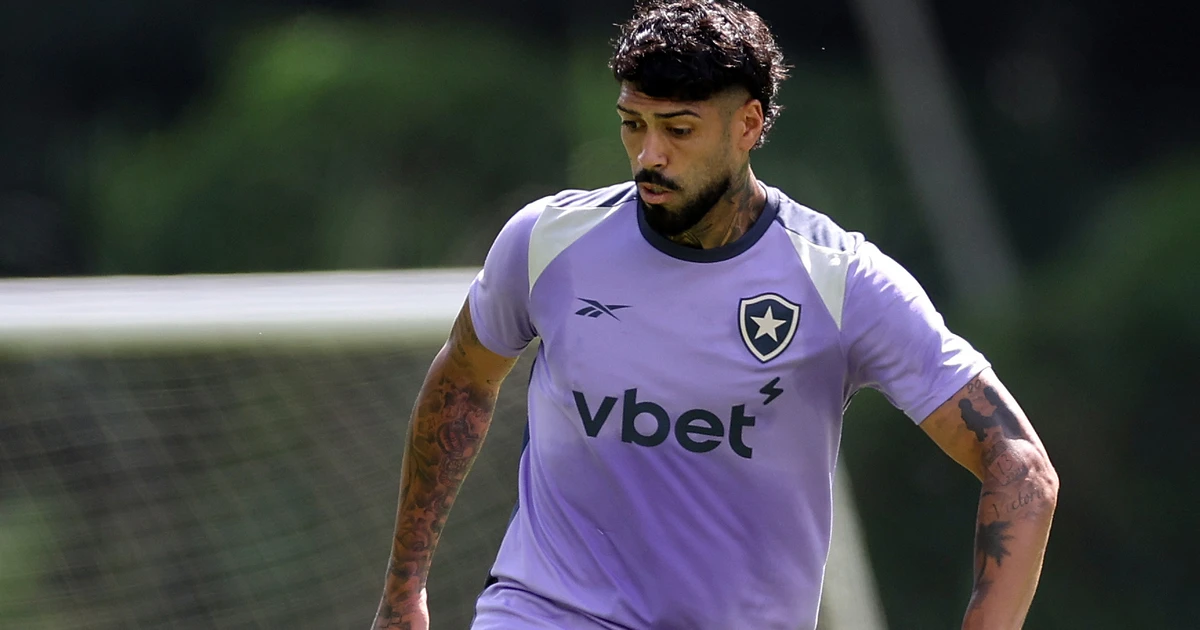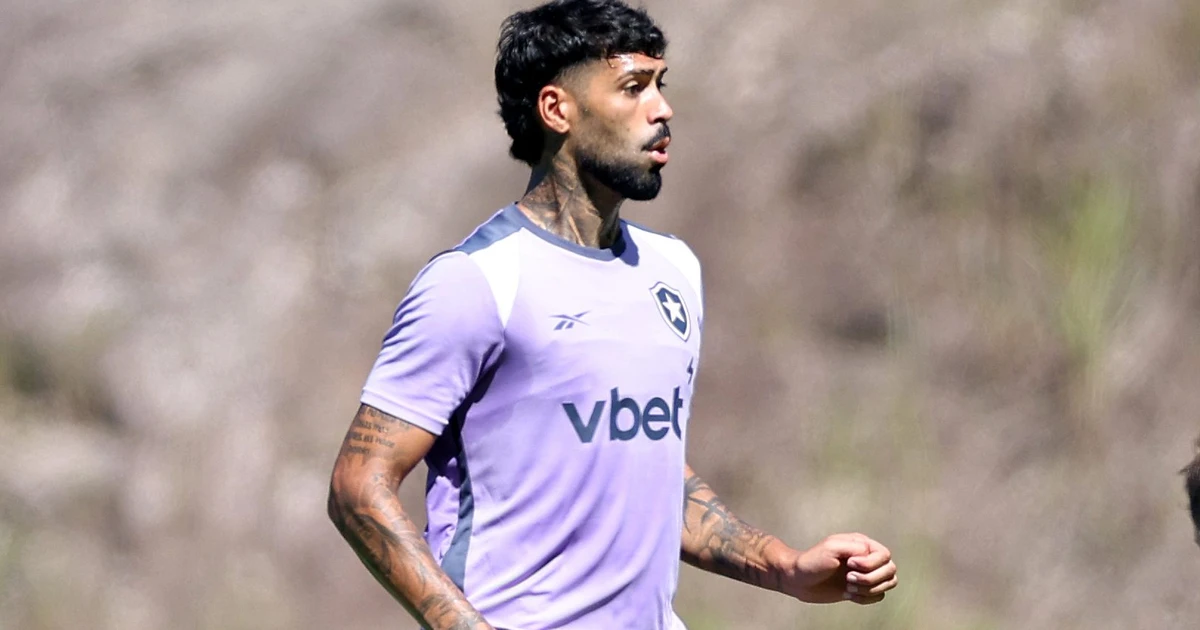
According to our editorial context from the Jogo Hoje, the Botafogo boardroom is anything but settled: social directors are pushing back against the proposed sale of Alexander Barboza to Palmeiras, and this negotiation travada is now tied to a wider power struggle inside the club’s SAF structure.
What happened in the Barboza talks
The reported line from the “Canal do Anderson Motta” is blunt: Botafogo’s social leadership, including vice-president André Silva, does not agree with the move yet, meaning the deal is not signed, sealed, and delivered. And that’s the key. When the football market meets governance chaos, paperwork becomes the battleground.
Barboza and his agent are said to be in advanced conversations with Palmeiras for a transfer in the middle of the year for US$ 4 million. The timing matters because Barboza is set to be without a contract at the end of the year, while a renewal proposal from Botafogo is still on the table.
Who is against the sale and why
Here’s where this stops being just a transfer story and starts looking like a contest over governança da SAF. The resistance inside the associative side is reportedly linked to direitos políticos and the influence of John Textor, who is currently absent from SAF command.
Put simply: if the power center behind the negotiation is weakened, the people who disagree with the sale gain leverage. Is it coincidence that the pushback lines up with the moment Textor’s grip loosens? We think not.
The role of Textor and the interim management
Textor was the figure reportedly conducting the negotiation. But the governance setup has shifted fast: Durcesio Mello is now the interim SAF director after Textor was removed by an arbitration decision from the FGV, and after a court in Rio de Janeiro suspended the direitos políticos of Eagle Bidco/Ares.
So the question becomes uncomfortable for everyone involved: who truly has authority to move a player in a deal that affects cashflow, squad planning, and the club’s future leverage? In the Botafogo power map, the gestão interina is not just administrative; it’s strategic.
How much Palmeiras offers and the weight of the contract clause
The reported figure is US$ 4 million for a mid-year exit. On paper, that’s the kind of number clubs like to see when a player’s renewal stalls. But the real leverage is in the timing and the cláusula contratual dynamics around the end-of-year contract situation.
Because Barboza would be out of contract by year-end, the club that sells now can claim value before the player becomes a free agent. Yet Botafogo’s renewal offer staying “open” suggests the associative side believes it can still keep the defender, or at least extract better terms. That’s not sentimental. That’s bargaining.
And in this mercado da bola, bargaining power is often decided off the pitch, not during the player presentation.
What could happen next
In the next few days, the most important development won’t be another rumor about Palmeiras. It will be whether the interim SAF leadership moves to formalize a transfer—or whether the social directors keep the deal in limbo until the internal command question is resolved.
If the dispute over authority continues, the likely outcome is a longer negotiation window, with Barboza’s position becoming the pressure point. And when you add the contract timing and the unresolved renewal talks, you’re not just looking at a transfer; you’re watching a governance test.
- A delay could protect Barboza from a rushed exit scenario.
- Any formalization by SAF would force the associative side to either accept the deal or escalate the dispute.
- Renewal discussions could regain momentum if the power center behind the negotiation remains unstable.
O Veredito Jogo Hoje
We’re calling it: this isn’t really about whether Palmeiras wants Barboza. It’s about who gets to pull the trigger inside Botafogo’s SAF governance. When negociação travada becomes a proxy war over authority, the player turns into collateral, and the club risks selling low just to satisfy a faction. If the social side can slow the process while the renewal stays alive, they’re not “blocking a deal” for drama’s sake—they’re trying to win the real match: governança da SAF over leverage. And in football, leverage always shows up on the scoreboard, even if it starts in the boardroom. — Jornalista Investigativo, JogoHoje
Perguntas Frequentes
Why are Botafogo social directors against selling Barboza?
Because they reportedly disagree with the sale while the SAF power structure is in flux, and they link the negotiation’s direction to John Textor’s influence. With renewal talks still open and the player’s contract situation looming, the social side believes the club can secure better outcomes than a quick mid-year exit.
Who is negotiating Alexander Barboza’s transfer to Palmeiras?
Reports say the talks were being conducted by John Textor before his removal. With Textor out of SAF command, Durcesio Mello leads the interim SAF management, while the associativo side challenges whether the current authority is sufficient to finalize the deal.
Can Textor’s departure stop the sale?
It can absolutely disrupt or delay it. If the parties disagree over authority and the direitos políticos and SAF governance framework remain contested, the negotiation can stay stalled until leadership questions are clarified and any cláusula contratual implications are properly addressed.