Barcelona has always been a case study in how decisions can echo for years, especially once the club’s finances and on-pitch rhythm started to unravel in the post-Neymar fallout. According to what Josep Maria Bartomeu said on Cadena SER, the club asked about Kylian Mbappé before ultimately going for Ousmane Dembélé in 2017. Jogo Hoje follows the transfer chessboard closely, and this is exactly the kind of moment where a single summer can rewrite a club’s entire trajectory.
Bartomeu’s revelation: what he said on Cadena SER
In an interview with Cadena SER, Bartomeu, who led Barcelona from 2014 to 2020, laid out the internal debate behind one of the most scrutinized profile moves of that era. When talking about Mbappé, now at Real Madrid and a Ballon d’Or winner, he explained that the club had inquired about the striker, then shining at Monaco in the 2016/17 season.
But the final call, he says, went to Dembélé. And that’s the part you can’t just shrug off if you’re paying attention to the custo de oportunidade of recruitment. Bartomeu essentially admitted the question was raised, yet the technical direction leaned toward a different bet.
His words were blunt: the coaches wanted Dembélé, and it was a shame. He also added context about how young Dembélé was at the time, and how that might have shaped expectations and outcomes.
Mbappé or Dembélé? The choice Barcelona made in 2017
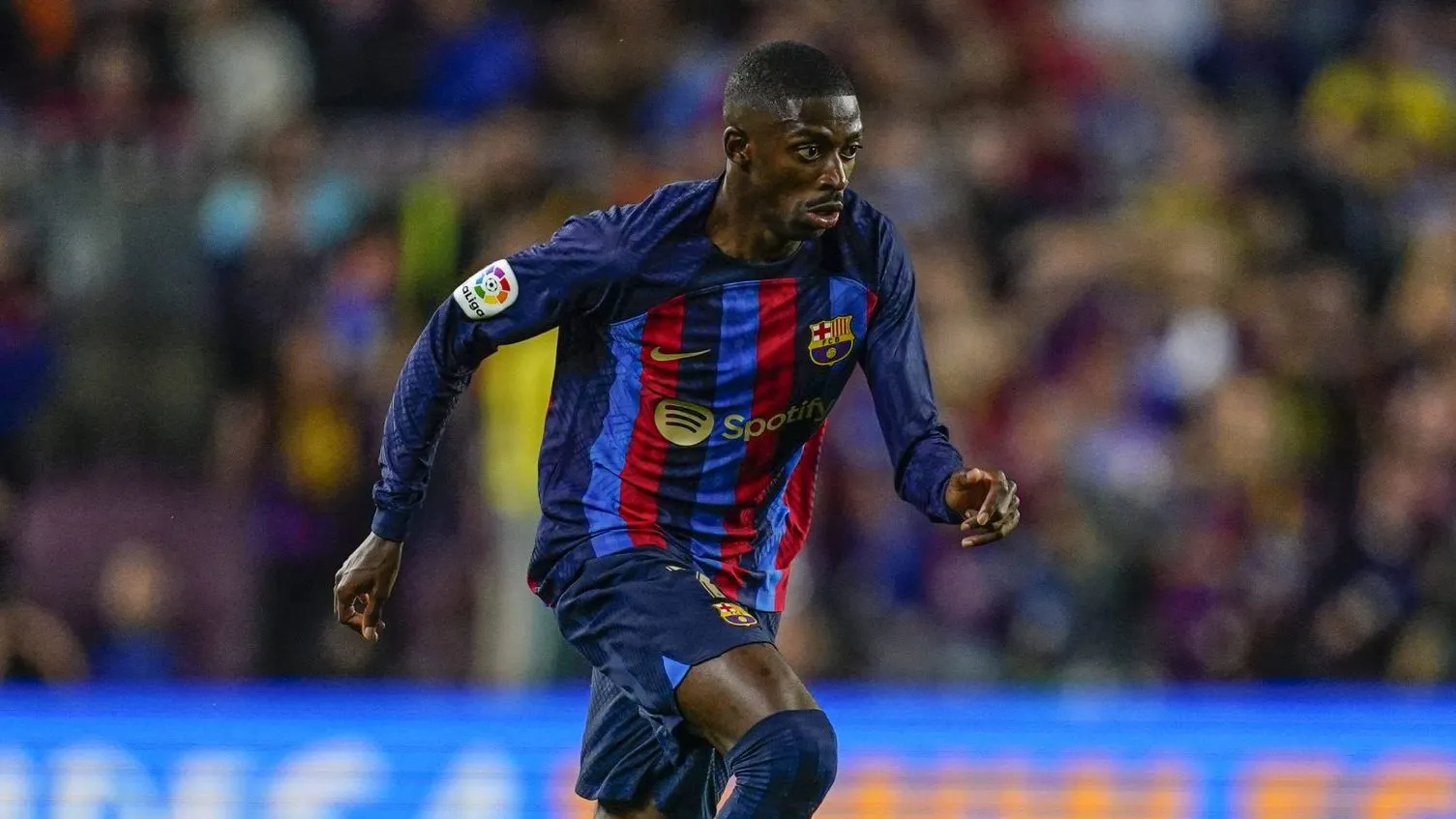
Let’s put numbers on the table, because transfers are never vibes. Dembélé was signed in July 2017 for €148 million. In the same window, Barcelona’s world shifted again: Neymar was sold to PSG for €222 million via his release clause.
Here’s the key chain reaction for anyone studying the mercado europeu. Neymar’s exit didn’t just cash a check; it turbocharged the pricing logic across the window. Once that clausula de rescisao got activated, the market started behaving like every club could suddenly justify premium fees. That’s the heart of inflacao de transferencias—and Barcelona paid for it in real time.
Dembélé, meanwhile, delivered a mixed yet statistically real Barça chapter: he played 185 matches, scored 40 goals and added 42 assists. The injuries were a recurring subplot, but the production was there. Still, the wider question remains: if Barcelona asked about Mbappé, what exactly was the planejamento esportivo logic for not going all-in when the thread of talent was right there?
Neymar left, the market inflated, and Barça paid the bill
Transfers don’t happen in a vacuum. They happen in a financial ecosystem. Bartomeu’s argument circles back to stability: Barcelona didn’t want players to be poached, and they wanted offers matched so rivals wouldn’t run the rule over them. But after Neymar’s departure, other clubs could point to the new price ceiling and cash in on the same logic.
In other words: once PSG moved, everyone else saw a new reference point for valuation. That’s why this story is really about transfer window timing meeting market psychology. Barcelona entered a period where the fair play financeiro reality was tightening, yet the European market kept inflating fees.
And if you’re thinking “so what, they just overpaid,” the answer is more uncomfortable: overpaying is sometimes a symptom, not the disease. The disease is the knock-on effect on squad building and contract planning—how the club allocates resources when the market is no longer tethered to common sense.
Bartomeu also claimed Barcelona received talk of a €400 million offer for Messi from a country he described as having accounts in England. Whether every detail becomes a headline or not, the message is clear: after Neymar, the club felt constant pressure, and the planejamento esportivo had to react rather than dictate.
The weight of decisions: Messi, Griezmann, and the crisis Laporta inherited
For me, the most telling part is how Bartomeu frames the club’s fear of losing its best assets. Messi wasn’t just a player; he was the spine of the project. If rivals could “equalize” offers at new, inflated levels, the market turned into a bidding war where Barcelona had to keep spending to keep relevance.
Then there’s the generational pivot. Bartomeu referenced Barcelona’s move for Antoine Griezmann as an attempt to refresh the squad. But his take suggests the timing was off: the change may have been needed earlier, especially after the Liverpool setback.
This is where transfer strategy stops being a spreadsheet and becomes a culture issue. You can’t just buy a new identity and expect it to land instantly. The club’s challenge was to balance an aging core, the need for reinforcements, and the constraints tied to fair play financeiro. Meanwhile, the inflacao de transferencias made every recruitment move harder to justify.
By the time Bartomeu left in 2020, the financial strain was already severe—and Laporta inherited a situation where squad building had to be squeezed into the rules, including spending limits in La Liga. That’s not just legacy; that’s cause and effect.
O Veredito Jogo Hoje
From a transfers standpoint, Bartomeu’s admission doesn’t “prove” one player would have fixed everything. But it does highlight the real problem: Barcelona were playing a high-stakes custo de oportunidade game in a market that was already tilting due to Neymar’s exit, and the club still chose a path that required constant capital to keep the project alive. That’s the kind of decision-making that turns recruitment into damage control. If you ask about Mbappé and then pivot to Dembélé, you’d better have a rock-solid mercado europeu plan and a financial runway. Barcelona didn’t—at least not long enough.
Perguntas Frequentes
Bartomeu said Barcelona tried to sign Mbappé?
Yes. Bartomeu stated that Barcelona asked about Mbappé before the club’s final technical choice in 2017.
How much did Barcelona pay for Dembélé in 2017?
Barcelona signed Dembélé in July 2017 for €148 million.
Why did Neymar’s departure impact Barcelona so much?
Neymar’s sale to PSG activated his release clause and helped trigger inflacao de transferencias, raising the general pricing expectations across the janela de transferencias and forcing Barcelona into a tougher, more expensive recruiting environment.