After a 4-1 LaLiga win over Espanyol on Saturday (11), Barcelona flip the switch to their most delicate assignment of the season: an European knockout turnaround against Atlético de Madrid in the Champions League quarter-finals. And if you want the broader European context, according to coverage by Jogo Hoje, the game is being framed as a “decisive swing” moment for both coaches. But swing moments come with numbers, and the Metropolitano comes with a nasty one.
In the first leg at the Spotify Camp Nou, the Blaugrana were beaten 2-0. Now they face the second leg pressure: they must win by at least two goals to reverse the advantage on the aggregate and keep the tie alive. Simple to say. Brutal to execute, especially when your opponent’s home form in knockout football is built like a fortress.
The task after the 2-0 first leg
Let’s be precise. Barcelona didn’t just lose a game; they handed Atlético a clean template. Two goals in the first leg means Barça can’t afford a “good enough” approach at the Metropolitano. One goal won’t cut it. Two goals with the right timing might, but three is the kind of margin that forces the home crowd to exhale early.
We saw shades of what Flick’s side wants: control periods, then opportunistic bursts when the defending line is set. In the first leg, however, the game didn’t open up in Barcelona’s favor often enough. That’s why the next step is so obvious and so hard: Barcelona have to hunt for early momentum without losing their shape, because Atlético’s game plan in a two-leg scenario rewards teams that get stretched.
And yes, that means the tactical chessboard will likely lean into a low block and then the hunt for transition ofensiva moments when Barça over-commits. If you’re thinking “Barcelona can outplay them,” sure. But can Barcelona outplay them and survive the counterpunches?
Hansi Flick’s confidence—and the physical cost
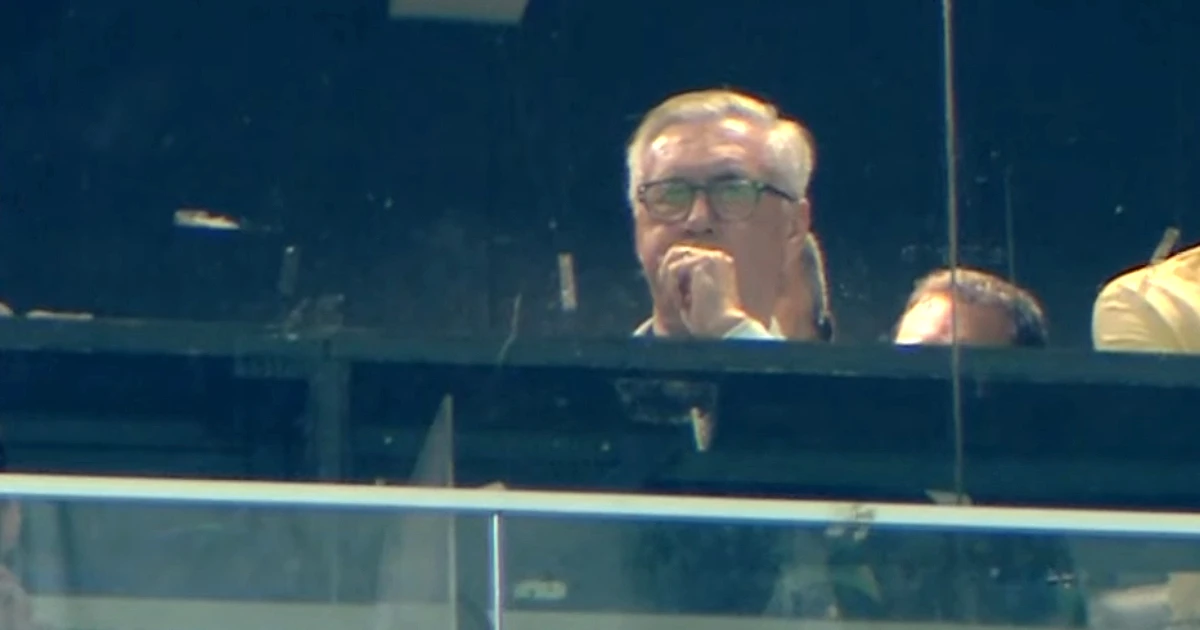
Hansi Flick didn’t exactly sell fear. After Barcelona rotated heavily against Espanyol, he framed the next challenge with a calm, almost stubborn logic.
He referenced recovery time as a practical advantage, not a dramatic storyline, noting they had two days to reset. That’s the kind of sentence that tells you the staff is thinking in micro-cycles: legs, distances, and whether the press can be sustained for long enough to matter.
Still, the physical backdrop isn’t imaginary. Barcelona played their LaLiga match shortly before turning to this Champions League tie, and knockout football punishes fatigue faster than group-stage games do. One late sprint missed becomes one extra overload conceded. One delayed body shape becomes a free lane into the box.
Flick also made it clear he believes Barcelona don’t need a miracle—just a perfect collective performance. That’s the line you’d expect from a coach who trusts structure. But structure alone doesn’t cancel out what Atlético do at home when the stakes are real.
The Atlético number that explains why the Metropolitano bites
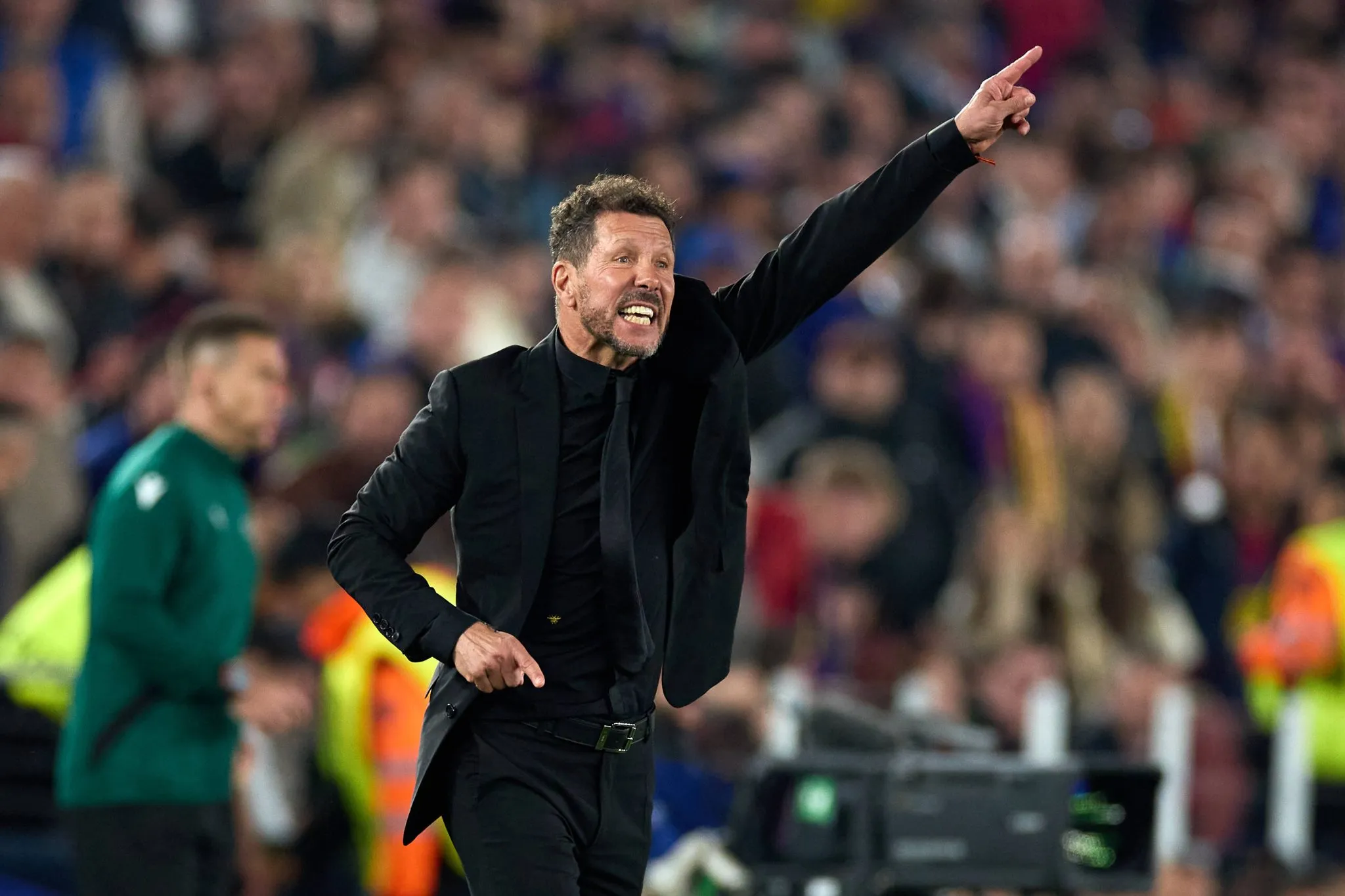
Here’s the nerdy part, and it’s the part that changes the whole temperature of the tie. Atlético under Diego Simeone have built a near-unbeatable identity in knockout matches on home turf. The stats are blunt:
- Atlético have played 18 Champions League knockout games at home: 12 wins, 6 draws, and 0 defeats.
That isn’t “good form.” That’s a trendline that becomes a psychological advantage. When you can point to 18 knockout matches without a loss at home, you’re not just defending well—you’re defending with confidence. And confidence is fuel for solidez defensiva, for timing, for second-ball discipline, for recovering shape after a press attempt.
It also means the Metropolitano is likely to look like this: Atlético absorbing pressure, then choosing moments to strike. Barcelona will need to break the rhythm of the low block and force Atlético to defend in uncomfortable spaces. Otherwise, the match tilts toward Atlético’s strengths: controlled phases, then sharp runs into the channels—classic transição ofensiva territory.
If you’re wondering why the crowd matters, it’s because Atlético’s home knockout record suggests they play with a kind of certainty that tightens the whole game. The longer the tie stays “manageable” for them, the more likely Barça’s attack starts to feel like it has to force things—one touch too many, one pass too late, one foul conceded in a dangerous area.
And there’s another contextual pressure point: Barcelona haven’t won the Champions League since 2014-15. That’s not a chant. That’s a reminder that history doesn’t care about the narrative—only about results when the calendar turns.
What Barça needs to do to turn belief into qualification
If Barcelona want to convert talk into a place in the semis, it starts with one practical requirement: a plan that produces two-goal output without suicidal risk.
First, Barça must generate volume in the right zones. Not random crosses, not endless possession at low threat. They need to create entries that attack Atlético’s defensive lines repeatedly, because Atlético’s home record suggests they’re comfortable surviving low-quality attacks.
Second, Flick’s midfield must manage the transitions. If Barcelona step into Atlético’s counter space too often, the tie becomes a highlight reel for the home side’s efficiency. That’s where the solidez defensiva plus the counter logic becomes lethal.
Third, the early minutes matter more than people want to admit. To win by two goals, Barcelona can’t wait for “the game to open.” They have to make the opening happen. That means brave pressing in bursts, quick switches, and an attack that’s ready to punish turnovers immediately—because Atlético will try to bait the press and then spring forward.
And finally, Barça must be emotionally calibrated. In a tie like this, the team that panics first usually loses the plot. Atlético’s knockout-at-home record says they don’t usually panic; they make opponents do the chasing.
O Veredito Jogo Hoje
We’re not buying the easy storyline. Barcelona can absolutely win at the Metropolitano, but the key word is can, not will. Atlético’s 18-match unbeaten knockout record at home under Simeone isn’t a trivia flex—it’s a tactical identity that throttles intensity, survives pressure through solidez defensiva, and then punishes the exact moments Barcelona are most likely to overextend. If Barça don’t hit their two-goal target with control and timing, the night doesn’t end in a comeback—it ends in a lesson.
Perguntas Frequentes
What scoreline does Barcelona need to qualify?
Barcelona need a win by at least two goals in the second leg. For example, a 2-0 win would level the tie on aggregate, while a margin of 2+ goals generally gives them the necessary advantage depending on the exact match outcome and tie rules applied.
What is Atlético de Madrid’s record in Champions League knockout games at home?
Atlético have played 18 home knockout matches in the Champions League with a record of 12 wins, 6 draws, and 0 defeats.
When is the return leg between Atlético de Madrid and Barcelona?
The second leg is scheduled for the quarter-final return at the Metropolitano following the first leg at the Spotify Camp Nou. For the exact match date and kickoff time, check the latest published schedule closer to the fixture.