According to Jogo Hoje, Arsenal’s 2-1 home loss to Bournemouth wasn’t just another blip on the calendar. It was a tactical and psychological reminder that the reta final da Premier League can punish you fast, especially when the margin for error shrinks.
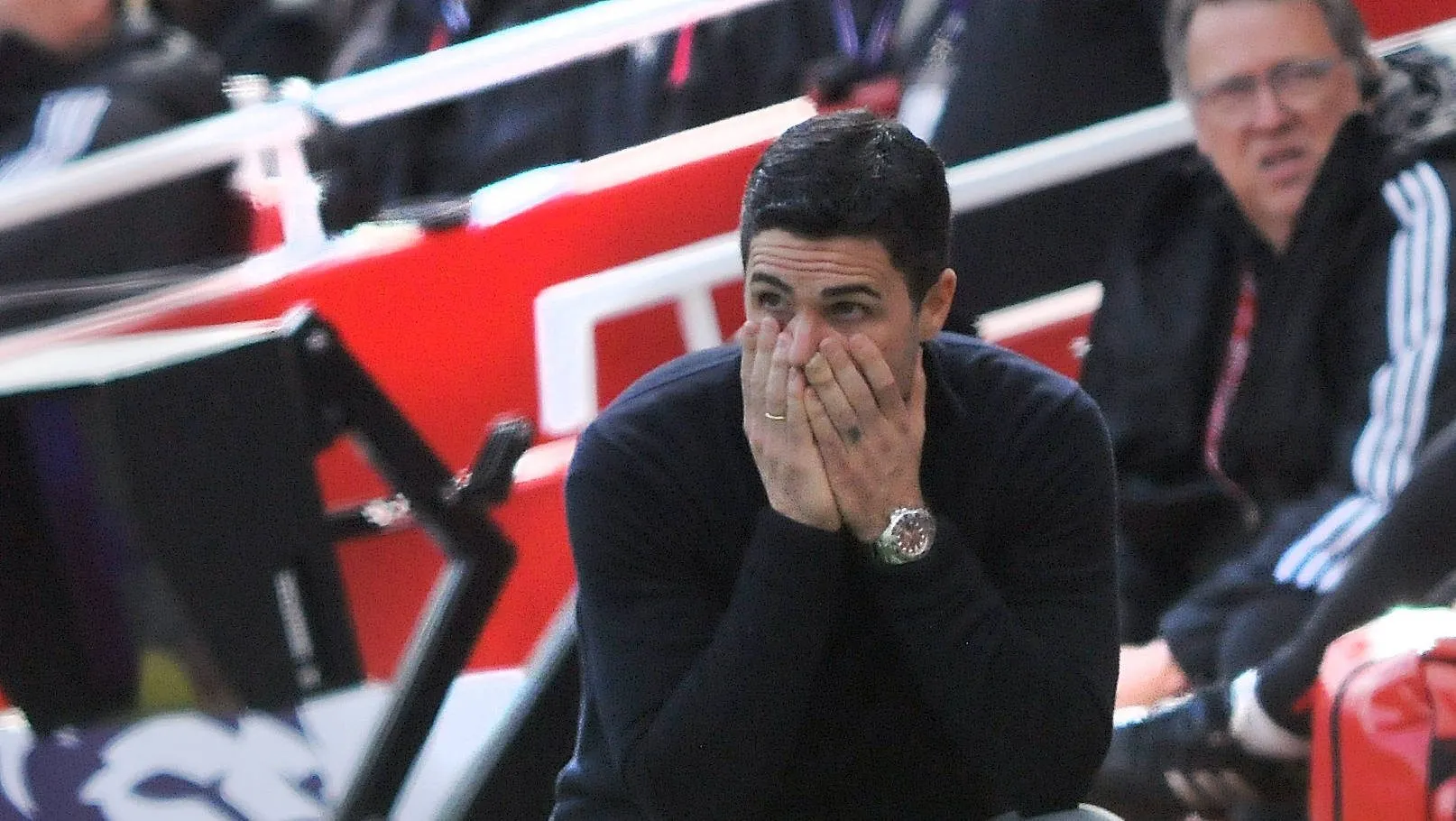
And Mikel Arteta called it what it felt like: a “hard blow” in the title race. The kind of result that doesn’t merely cost points, but changes the way the next few weeks are going to be played.
What happened in Arsenal vs Bournemouth
At the Emirates, Arsenal lost 2-1 to Bournemouth, and the storyline quickly turned uncomfortable. The decisive point is not only that the Gunners dropped points at home, but that the defeat arrives right as the leadership picture becomes fragile.
Arteta’s post-match message was blunt. He framed the loss as a cluster of basic mistakes executed poorly. In his view, when you let opponents take the game “chaotic and difficult to control,” you’re handing them exactly the kind of rhythm they want.
Meanwhile, the only Bournemouth goal scorer with a direct impact on the scoreboard narrative was Viktor Gyokeres, who struck from the penalty spot. He later complained about the pitch conditions at the Emirates being a bit dry, suggesting the surface didn’t help. Fair enough, but tactical football rarely gives you a full excuse—especially in a title chase.
Why the defeat weighs more than the 3 points lost
This is where the analysis gets cold. Three points aren’t the only currency. The bigger issue is the vantagem na liderança and the way this result compresses the race. If Manchester City win their game against Chelsea, Arsenal’s lead can drop to six points, and that’s before we even factor in the jogo a menos.
That diferença de pontos can evaporate quickly when the schedule tightens, and when the next “must-win” moments start stacking up. You can feel the pressão psicológica already: the crowd’s expectations, the media pressure, and the internal demand for control. Arteta’s job now is to make sure the players don’t confuse emotional recovery with tactical recovery.
The Premier League table and Manchester City’s game in hand
The numbers matter, and they matter more than most people want to admit. City still have a game in hand against Crystal Palace. That means the league picture is not static; it’s a moving target shaped by results and by timing.
With restam 6 jogos for Arsenal in the Premier League, the title race is entering the part where every dropped point forces you into “damage control football.” And damage control is usually when the system starts leaking—defensively, yes, but also in decision-making.
Here’s the key: Arsenal’s next stretch is not just about opponents. It’s about sequencing. Play the next few matches with the right rhythm, and the confronto direto against City becomes a chess match. Play them with panic, and it becomes a knife fight.
Arsenal’s remaining run vs the City sequence
Arteta’s squad now has a reta final da Premier League defined by six matches: Manchester City, Newcastle, Fulham, West Ham, Burnley, and Crystal Palace.
That is a manageable set of fixtures in comparison to some rivals. Even better, it includes matches where Arsenal should be able to impose game states. But the point is not whether the list “looks easy.” The point is how the players absorb it—especially once you add the Champions League.
Because City’s sequence adds a layer of volatility. After Chelsea, the next wave includes games against Everton, Bournemouth, Brentford, and Aston Villa. And Palace and Burnley also sit in the wider equation.
So what happens if Arsenal lose their rhythm after this Bournemouth setback? The title race doesn’t forgive. It just recalculates.
The psychological impact and the response Arteta needs
Arteta’s quotes weren’t just posturing; they were instruction. He essentially told the group: no “half-measures.” The tactical takeaway is clear: when Arsenal play with sloppy fundamentals, they invite opponents to turn the match into a transition-heavy chaos game.
That’s the dangerous part. Bournemouth’s ability to disrupt control is contagious if the players start questioning their positioning and timing. The immediate question is rhetorical but necessary: can Arsenal respond by tightening their decision thresholds without losing their attacking edge?
Arteta also said it has to hurt, and he’s right. In a title race, suffering is part of the process—but only if it turns into sharper habits. Otherwise, that pain becomes a repeating pattern.
Champions League in the mix: risk of desgaste de calendário
Arsenal’s calendar isn’t free. They’re in the Champions League quarters, and the distraction factor is real, even if the coaching staff insists it’s “all controlled.” They beat Sporting Sporting 1-0 in the first leg and will face them again after the tie, with the potential next opponent being Atlético de Madrid or Barcelona—depending on that other bracket.
Arsenal’s possible European path matters because it feeds into desgaste de calendário. You don’t just manage minutes; you manage intensity. And intensity is what breaks defensive structure and makes pressing less coordinated.
City, meanwhile, have the FA Cup and face Southampton in the semifinal. Even though lower-league opponents can be tricky, City’s attention is more centralized than Arsenal’s right now. That could become a quiet advantage if results start to tilt.
What Arsenal need to do to keep control
If we’re being honest, Arsenal don’t need to reinvent the wheel. They need to restore the basics that Arteta claims were missing. That means:
- Defensive organization that survives the first wave of pressure, so the match doesn’t turn “too chaotic” for their liking.
- Game-state control earlier in transitions, reducing the moments where Bournemouth can play on the edge of the Arsenal press.
- Clinical finishing and better shot selection, because the title race magnifies small inefficiencies.
- Rotation discipline that protects the desgaste de calendário without sacrificing tactical identity.
And crucially, Arsenal must protect the vantagem na liderança by treating the remaining fixtures as a sequence of tactical checkpoints—not as standalone games.
O Veredito Jogo Hoje
We’ve seen this movie before: lead for long stretches, then a wobble that turns the league into a trap. Bournemouth didn’t just win at the Emirates—they exposed how quickly Arsenal can lose the plot when fundamentals slip. Now Arteta’s team has to answer with control, not with reaction. In a race defined by diferença de pontos, jogo a menos, and an approaching confronto direto, the next response has to be tactical, ruthless, and immediate.
Perguntas Frequentes
How many points can Arsenal still open or lose compared to Manchester City?
With the title race dynamic and City having a jogo a menos, the points gap can swing quickly. If City win their next match, Arsenal’s vantagem na liderança could drop to six points, depending on how the remaining fixtures play out.
What is Arsenal’s sequence of games until the end of the Premier League?
Arsenal’s remaining reta final da Premier League matches are: Manchester City, Newcastle, Fulham, West Ham, Burnley, and Crystal Palace.
Can the Champions League run affect the title dispute?
Yes. Any deep run increases desgaste de calendário, demands better rotation, and raises the risk of reduced intensity in league matches. Arsenal’s quarterfinal tie, with a potential next opponent against Atlético de Madrid or Barcelona, adds another layer to the pressão psicológica and schedule management.