According to Jogo Hoje, the Arsenal are through and it wasn’t a fluke. They beat Arsenal’s toughest customer in this bracket, Atletico de Madrid, 1-0 at the Emirates on Tuesday (May 5), after a 1-1 draw in Madrid. Aggregate sealed. Final confirmed. And for Simeone, the same old question kept resurfacing: when the lights get bright, where’s the real edge?
We’re talking Champions League semifinal football: tight margins, little room for error, and a single moment deciding the whole night. The difference wasn’t just desire. It was the plan that actually matched the game unfolding on the pitch.
How Saka’s moment and Arsenal’s control decided it
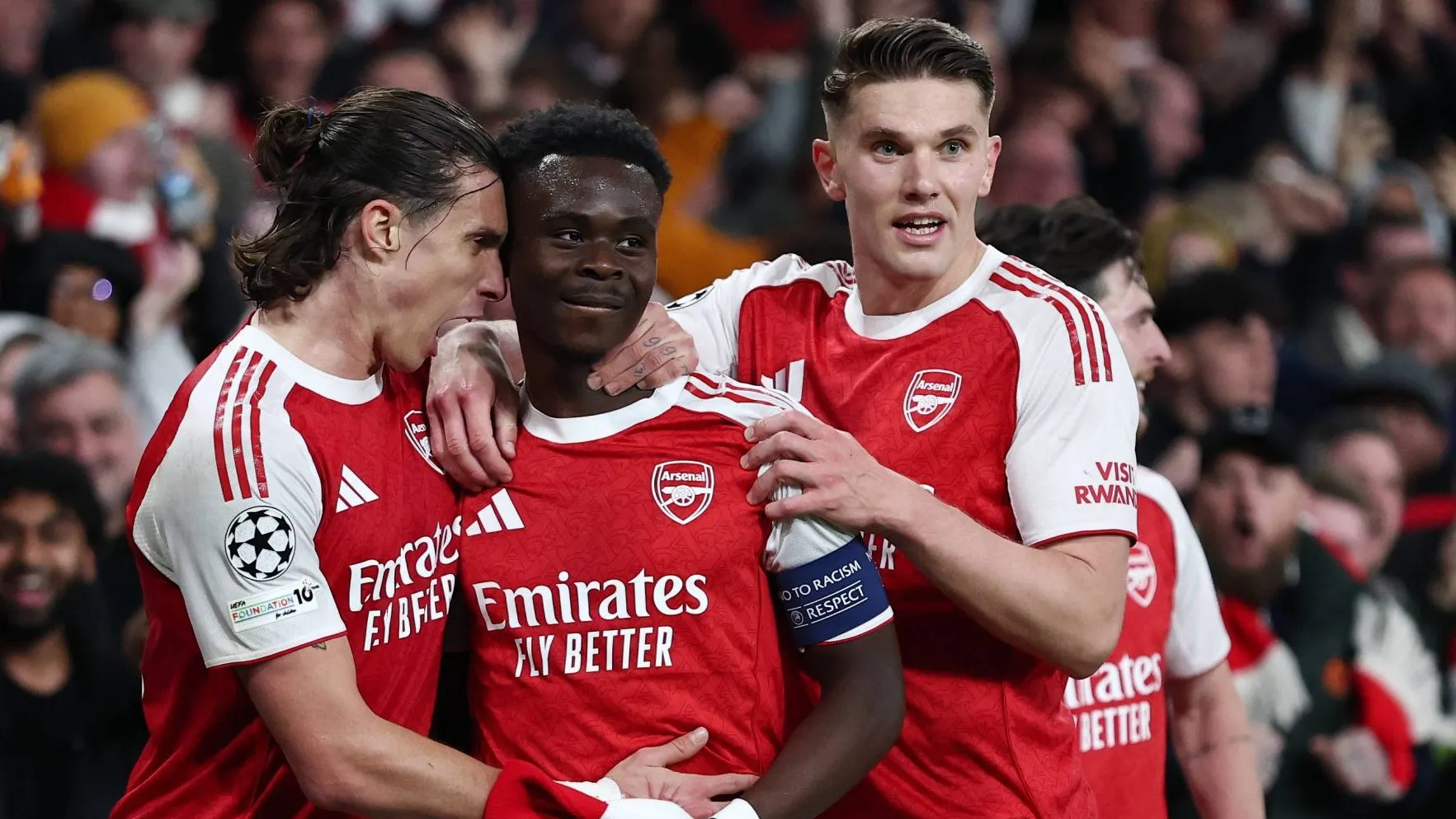
Arsenal’s protagonist finally showed up. Bukayo Saka hasn’t had a season that screams “best version of himself,” with injuries and inconsistency interrupting his rhythm. Still, on a night where you need someone to drag the team across the line, he answered the bell.
At 1-1 on aggregate, Arsenal set the tone early. They took the initiative at home, worked the ball into dangerous zones, and rotated enough to turn Atletico’s defensive structure. Possession wasn’t sterile either: there was intent behind the passes, an obsession with arriving at the last third with the right angles.
But here’s the tactical nuance: Arsenal weren’t simply “attacking.” They were doing it with discipline, while Atletico sat in a compactation defensiva that tried to kill the gaps before they could breathe. Arsenal’s early problem was obvious in the build-up: too often the final touch arrived late or without the finishing lane.
Then the details came. Atletico’s reactivity created a specific kind of risk. If you’re going to play a low, controlled game, you can’t afford to give away the ball in the wrong rhythm. And just before halftime, Atletico did. Gyokeres swung it from the right, Trossard arrived on the left side of the box, cut inward, forced Oblak into a save, and the rebound landed for Saka. That’s not “luck” in the lazy sense. That’s what happens when the attacking team keeps pressing the issue and the defending team can’t fully reset its line.
Arsenal’s win, then, is a two-part story: the first half was about pressão pós-perda without chaos, and the second half was about not panicking once the match plan had served its purpose. They didn’t need a show. They needed the goal. And Saka delivered it.
How Atletico’s plan worked for a while, then stalled
Atletico under Simeone came with a recognizable blueprint: a deep posture, limited vertical commitments, and a willingness to invite Arsenal to have the ball. In practical terms, they aimed for a bloco baixo and a defense that could absorb pressure while waiting for the moment to strike. The idea was clear: reduce space, irritate the home side, and punish any overreach with counters.
For stretches, it looked functional. Arsenal probed, circled, and tried to find the corridor. Atletico didn’t open themselves up to the kind of direct runs that turn a semifinal into a rout. Their midfield stayed connected enough to prevent easy access into the heart of the box.
However, the problem with a plan built on timing is that timing can run out. Once the deficit arrived, Atletico had to change posture. That forced them to abandon the comfort of their earlier rhythm and chase the game.
And that’s where their execution broke down. In the second half, the Atleti push became more about volume than structure. Long balls, repeated crosses, and a sense of “get it in there and hope.” It turned less into a coordinated attack and more into an abafa without direction, a series of attempts that never truly generated clean chances.
You could feel the lack of a coherent transitional offensive threat. Their transição ofensiva never found its feet, because the moment they lost the ball, Arsenal’s positioning and intensity made it difficult to recover the second phase. Atletico’s low block became a holding pen rather than a platform.
Arsenal’s shape and spacing mattered too. They didn’t just defend. They directed. When Atletico tried to create down the sides, Arsenal’s discipline squeezed the angles. That’s the difference between defending a shot and defending a sequence.
Atletico’s attacking output didn’t match the investment and the history of big-game mentality. They were competing, sure. But they weren’t convincing.
What Simeone’s reactive posture exposed in the big moments
Let’s not sugarcoat it. Simeone’s Atletico looked like a team managing a problem rather than solving one. The low setup was fine for a semifinal that they expected to control. But once they had to chase, the system didn’t evolve fast enough.
There’s a specific pattern that keeps showing up: heavy reliance on resistance, a preference for waiting, and a tendency to treat the opponent’s pressure like noise rather than a signal. In this tie, Arsenal’s ability to keep the ball moving and attack the right lanes turned Atletico’s “wait and counter” identity into a ceiling.
Even their defensive concepts carried limitations. When Atletico tried to press, it lacked the organizational rhythm you see from teams that can sustain it. Arsenal’s ball carries and diagonal switches kept breaking their balance, and the home side punished the space that appeared between lines.
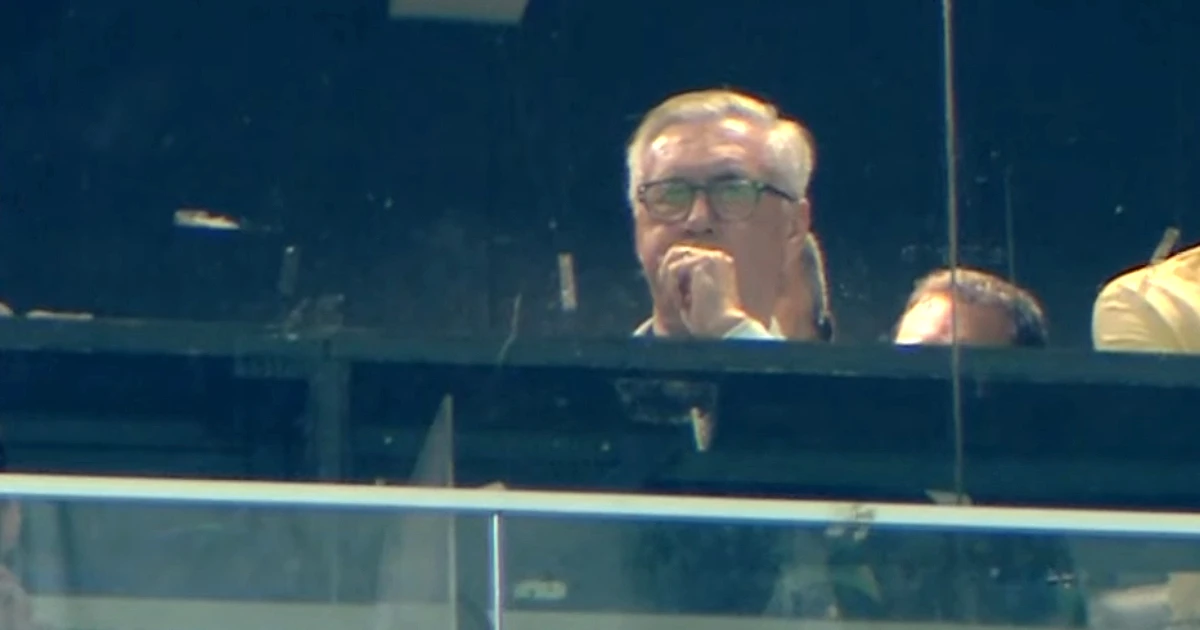
Then there’s the emotional layer. The narrative around Simeone is no longer only about tactics; it’s about returns. He’s described as the highest-paid manager in the world, sitting on a roster that’s been reinforced consistently. Yet Atletico are sliding into a fifth season without titles. That’s not a minor footnote. That’s the headline in the boardroom and the question in the stands.
Sure, he’s a historical figure and he built Atletico’s modern identity. He changed the hierarchy in Spain for stretches and squeezed value from squads that didn’t always look like title-ready outfits. But this is now a different context. Atletico invest heavily. They can’t be treated like a surprise anymore.
And in the Champions League, “compete” isn’t enough if you want to win. Arsenal didn’t just survive Atletico’s resistance. They found the moment to break it—through Saka, through timing, and through a plan that didn’t crumble when Atletico had to open up.
Arteta’s project and why Arsenal finally matured into a final
Mikel Arteta’s Arsenal have been building towards this kind of control: the ability to manage a semifinal without losing edge. That’s what separates teams that reach finals from teams that merely get there once in a while.
On the night, Arsenal repeatedly used their structure to create problems rather than just chances. They attacked with patient adjustments, and when they were forced into moments of risk, their defensive screen held. The spacing behind the ball, the willingness to defend as a unit, and the coordination to trigger pressão pós-perda at the right times kept Atletico from finding their preferred rhythm.
When you’re facing a side that wants a bloco baixo, the real game is about corridors. Arsenal understood that. They searched for criação por corredor and stretched Atletico’s shape until the cracks appeared. Once Atletico’s midfield couldn’t protect the rebound zones, the match swung.
And that matters for the big picture. Arsenal aren’t just returning to a final after 20 seasons; they’re returning with a tactical identity that can survive different opponents. Their only previous continental final came in 2005/06, a 2-1 defeat to Barcelona. This time, the margins went the other way.
That’s why the performance felt like more than a result. It felt like a progression.
What’s next: the other semifinal and the Budapeste final
The last spot in the final is on the line. Bayern Munich vs PSG decides it on May 6, at 16:00 Brasília time, at the Allianz Arena.
Because PSG won the first leg 5-4, they play for a draw in Germany. A one-goal Bayern win sends the tie to extra time. If the aggregate stays level after extra time, the winner will be decided on penalties.
The Champions League final is set for May 30 at 13:00 Brasília time, at the Puskás Arena in Budapest, Hungary. Arsenal now get time to prepare. Simeone gets time to answer hard questions.
O Veredito Jogo Hoje
Arsenal didn’t just “get it done” at the Emirates, they executed a semifinal with maturity: control without naivety, pressure without panic, and the killer instinct that Atletico couldn’t replicate once they had to open the game. Simeone’s Atleti can still be a tough opponent, but on this evidence they’re trapped in a reactive loop, and the kind of money and squad depth they carry demands more than surviving for 90 minutes. If the other semifinal doesn’t force Arsenal into a different tempo, they’ll be dangerous in the final because they know how to turn pressure into the último terço—not just possession.
Perguntas Frequentes
Who scored the goal that sent Arsenal through against Atletico Madrid?
Bukayo Saka scored the decisive goal, completing the rebound after Trossard’s effort forced Oblak into a save.
When will the 2025/26 Champions League final be played?
The final will be on May 30 at 13:00 Brasília time, at the Puskás Arena in Budapest.
Who could be Arsenal’s opponent in the final?
The opponent will be the winner of Bayern Munich vs PSG, decided on May 6 at the Allianz Arena.