In Lima, the night had that familiar Libertadores feel: the air tense, the stands loud, and the Palmeiras machine doing what it does when it’s locked in. The result was clean enough: Palmeiras 2 x 0 Sporting Cristal, and the side moved into first place in Group F with eight points. But the flashpoint that stuck to the memory didn’t come from the net. It came from Palmeiras coach Abel Ferreira’s comemoração. According to Jogo Hoje’s coverage of Brazilian football and the Libertadores race, the “bigger story” here is the message behind the moment.
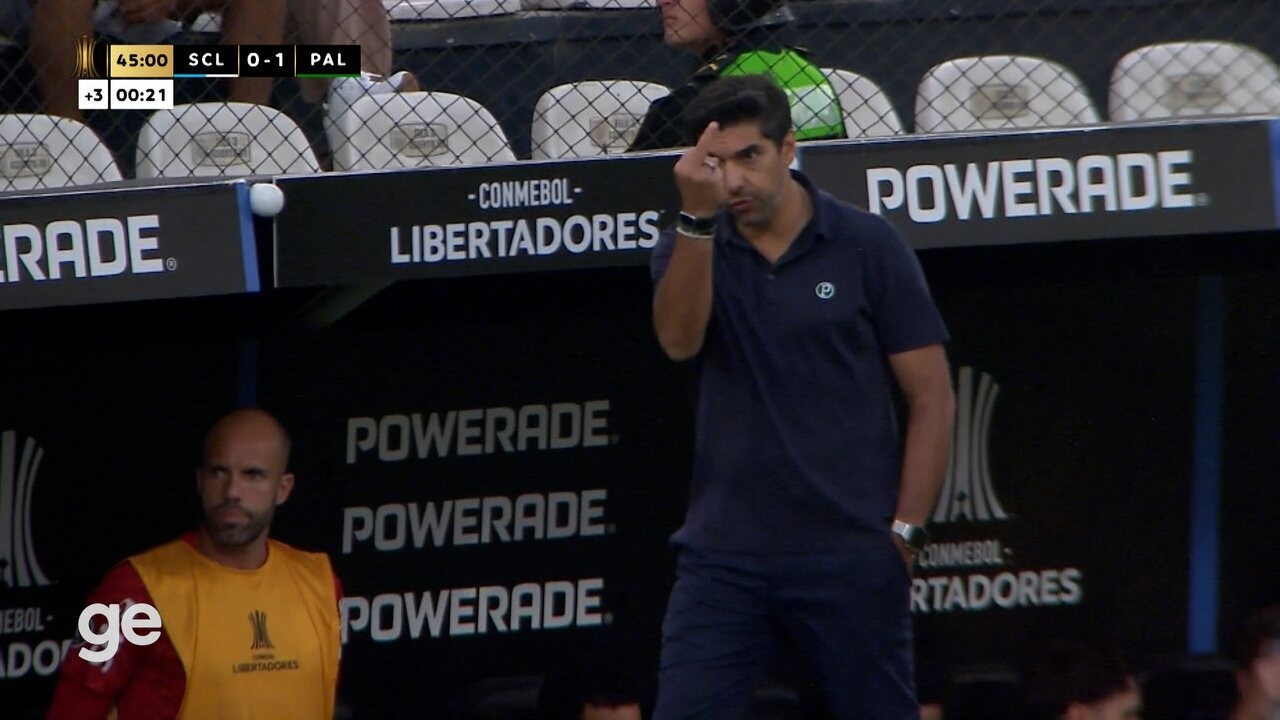
After the first goal, Abel pointed toward Flaco López with a gesture that drew instant attention. For a lot of people in the stadium, it looked like pure drama. For Abel, it was a direct, internal signal. And when the coletiva pós-jogo started, the coach didn’t dodge the question.
The moment that grabbed everyone in the celebration
We’ve all seen celebrations that turn into statements, but this one had a different texture, more “training ground” than “party.” When Palmeiras broke through, Abel’s reaction was immediate and unmistakable. In a competition where every detail gets amplified, that kind of body language travels fast—especially on a night when the group table also mattered.
Still, the context is what makes it worth unpacking: this wasn’t just any win. It was Libertadores 2026, in Lima, on 05/05/2026, with Palmeiras climbing to eight points and taking the lead in Group F. Flaco López and Ramón Sosa scored, and the scoreboard did the job. Abel, meanwhile, decided to add a lesson.
Abel’s explanation for the gesture
In the press room, Abel Ferreira framed the whole thing as a response. He said that Flaco López had sent a “joinha” signal toward him, and Abel returned the gesture to make the point—because, as he put it, he cobro muito (he presses a lot) on the striker.
His words were blunt, and the intent was clear:
- Abel said Flaco is the player he “hits the most” in training and demands from, and that he noticed the striker doing a thumbs-up-type sign.
- Then Abel made his own gesture during the celebration, explaining it as a direct response and a way of charging him again in front of everyone.
That’s the thing about elite coaching: sometimes the message isn’t the headline. It’s the habit. And Abel’s habit is pressure—especially on the man expected to live around the decisive areas.
Pressure on Flaco López, and the role of videos and WhatsApp
The gesture might have been the spark, but the fire was the work routine. Abel didn’t stop at the explanation; he expanded it into a system of cobrança interna backed by tech and constant feedback.
He said he communicates with Flaco “morning, afternoon, and night,” and that the club uses video tools heavily when there isn’t time to train as much as coaches would like. That’s where the modern edge shows up: the staff isn’t just asking for effort, they’re measuring it, slicing it, and sending the corrections quickly—sometimes by WhatsApp, sometimes through clips.
Abel’s pitch was also tactical and role-specific. He explained that if Flaco tries to drift into a different responsibility—like chasing assists at the wrong moment—he’ll be punished with bench consequences. In other words: be the centre-forward. Do the job. Make the runs. Get to the place where goals are born.
And then came the phrase that made the room go quiet:
He referenced the need to attack the zona do ouro, the “gold zone” where the striker has to be decisive. Abel wants that positioning to be automatic. Not emotional. Not occasional. Automatic.
What the victory changes for Palmeiras in the Libertadores
On the pitch, the story is straightforward: Palmeiras took control of Group F and now sit at the top with eight points. That’s a massive psychological shift—because in Libertadores group stages, first place isn’t just comfort. It changes how teams plan travel, manage risk, and handle the next windows of pressure.
With Flaco López scoring and Ramón Sosa adding the second, Palmeiras didn’t just win; they delivered a message of control. When the competition is this tight, consistency becomes currency. And Abel kept repeating that theme: compete, deliver, and don’t pretend everything is perfect when the environment fights back.
Still, the public optics matter too. A coach who publicly “charges” a player after a goal sends a signal to the whole squad: the work doesn’t end at the whistle. It ramps up.
Abel’s rant about the calendar, the irregular pitch, and physical fatigue
Then came the part that sounded like a manager who’s been carrying the weight for weeks. Abel Ferreira used the coletiva pós-jogo to vent about the calendário apertado, the lack of time to train, and the impact of the gramado irregular in Lima.
His argument wasn’t only “we’re tired.” It was “how can anyone be consistent with these conditions?” He questioned which Brazilian teams are truly stable under such a schedule, pointing to how even the crowd’s own rhythm reflects a league that’s being stretched thin.
Abel also pushed back against the idea that you can demand peak performances every week without consequences. He talked about desgaste físico and said the team has been competitive—citing that Palmeiras reached “13 finals”—but insisted that context matters.
And that’s where the coaching philosophy connects back to the Flaco moment. If the staff is constantly adjusting using video, if the players are managing fatigue, then the internal standards become even more important. No time for excuses. No time for wandering roles. Not when the pitch and timetable are conspiring against you.
So yes, the gesture was controversial. But the real message was institutional: control the details, protect the identity, and keep pushing even when the body is tired and the field is fighting you.
O Veredito Jogo Hoje
Abel Ferreira didn’t just “react” after a goal—he used the comemoração as a coaching tool, a live reminder of cobrança interna in a season where desgaste físico and calendário apertado are eating teams alive. The gesture might offend some, sure, but from where we’re sitting, it’s the same principle that wins Libertadores games: standards don’t pause for applause, and the striker has to earn his place in the zona do ouro. Palmeiras aren’t chasing vibes; they’re chasing responsibility.
Perguntas Frequentes
Why did Abel Ferreira make the gesture toward Flaco López?
Abel said it was a response to a thumbs-up-type “joinha” gesture Flaco López made toward him, and he also framed it as part of heavy cobrança interna because he believes Flaco needs to keep attacking the decisive zone and doing his centre-forward job.
How many points did Palmeiras reach in the Libertadores after the win?
After beating Sporting Cristal 2 x 0, Palmeiras reached eight points and took the lead in Group F.
What did Abel say about the calendar and the pitch in Lima?
Abel complained about the tight calendário apertado, the lack of time to train, and criticized the gramado irregular at Alejandro Villanueva, arguing these factors increase fatigue and make consistency harder to sustain.