Dominant form in 2026 has turned the Mercedes into a statement machine: Kimi Antonelli and George Russell have been climbing to the top step with unsettling regularity. If that keeps rolling, the internal rivalry will only get louder, because nothing breeds tension like winning. And if we’re being honest, it won’t be the first time the order inside the cockpit becomes the real storyline. According to the editorial coverage at the Jogo Hoje, this is exactly the kind of pressure-management problem Wolff has been trying to preempt for years.
The line that exposed Wolff’s strategy
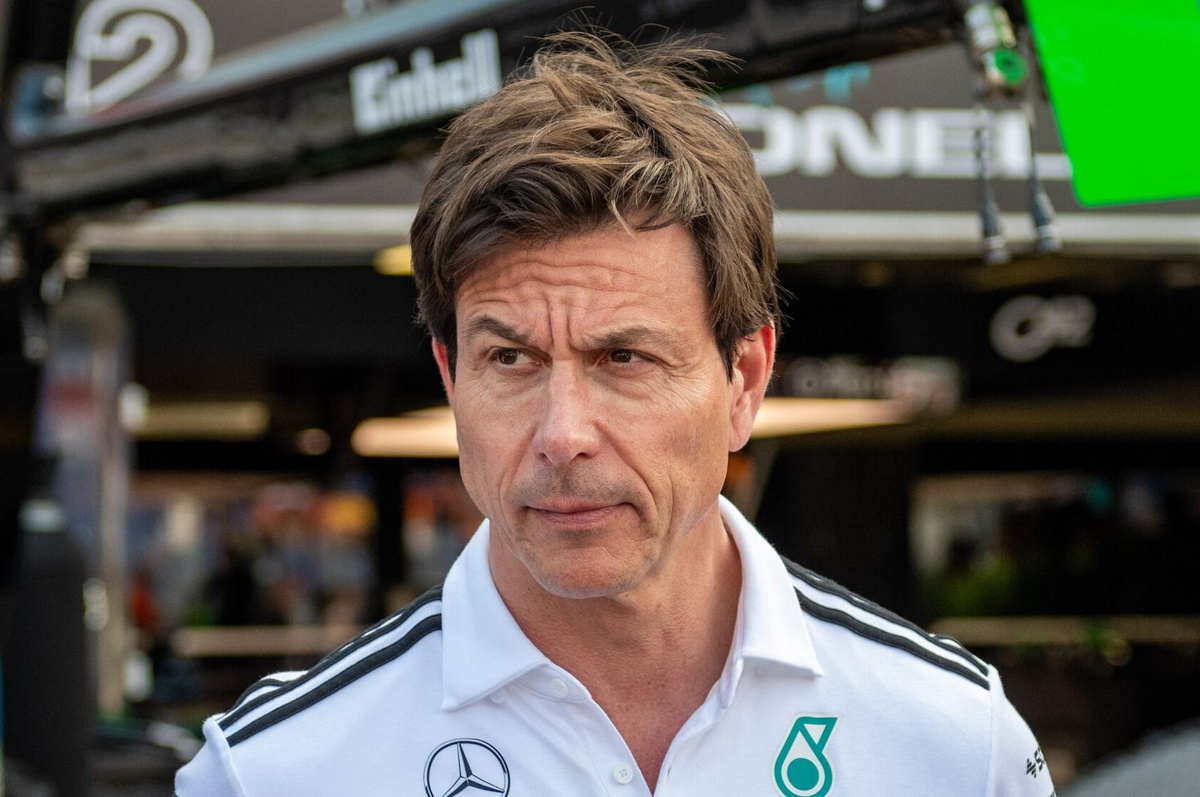
Wolff didn’t dress it up. In a new interview reported by The Athletic, the Mercedes boss admitted that after the 2016 collisions, he considered firing both Lewis Hamilton and Nico Rosberg. The point wasn’t punishment for punishment’s sake; it was a hard reset to make sure the drivers understood the brand, the team, and the collective commitment were the real “boss” in Brackley and at the track.
That’s the tactical lens: you don’t just manage pace, you manage the competitive environment. And when internal rivalry stops being healthy competition and starts becoming a collision loop, the paddock management has to get ruthless.
What happened between Hamilton and Rosberg in 2016
2016 is still remembered as the year the Hamilton–Rosberg title dispute peaked inside the Mercedes. The two weren’t strangers anymore either. They’d started as kart-era competitors, became teammates in 2013, and by 2016 the duel was so intense it felt personal, almost theatrical. There were clashes that Wolff now frames as avoidable collisions, and crucially, not a one-off.
Wolff’s recollection is blunt: Rosberg and Hamilton hit each other, then hit each other again. For a team built on margins, that’s not “racing luck.” That’s a pattern.
And when that pattern shows up during a season when the title is on the line, every lap becomes a referendum on discipline. One mistake is human. Two mistakes in the same lane of decision-making? That’s a management failure you can’t afford.
Why Wolff hardened the tone with the duo
Wolff’s logic is basically a team-order manifesto. He says he told the leadership to sign off on the threat, because the relationship had crossed the line from rivalry into animosity, and the team was paying the price.
He even recalls the internal conversation: he called Dieter Zetsche, Mercedes-Benz’s executive director, and framed the issue like this: if the drivers weren’t made “expendable” in the eyes of the organization, they wouldn’t fully absorb what mattered. The interest of the brand and the team above personal priorities.
That’s not theatrics. That’s discipline calibrated for the real world.
- He sent an email effectively removing them from the team “for the moment,” because the competitive environment had turned toxic.
- He then addressed them directly, stressing he didn’t just want a blame game; he wanted them to understand the complexity of responsibility and the consequences of repeat behavior.
- He told them that if it happened again, one of them would have to leave, because the organization could not keep risking the title with the same avoidable collision cycle.
And the kicker is the scale. Wolff tied the emotional rivalry to a workforce reality: around 2,500 people in the Mercedes factory. That’s the kind of moral arithmetic that cuts through ego. Who do you think you are, if your personal feud costs strangers their livelihood?
The message to Mercedes: brand, team, and factory above ego
There’s a reason Wolff keeps returning to the same theme: you represent the Mercedes brand. You can be fierce competitors, sure. But you don’t get to pretend that your personal feelings are more important than the collective commitment of everyone who builds the car, runs the logistics, and pays the price when the weekend collapses.
In tactical terms, he’s protecting the team’s system. In cultural terms, he’s policing the management of the paddock narrative. Because once the order of operations breaks down, the team starts bleeding performance through distraction.
So yes, Wolff’s approach is harsh. But it’s also coherent. He’s trying to enforce a boundary: accept that you’ll race your teammate, but respect certain limits. That’s the heart of order of team discipline, and it’s what keeps a title dispute from turning into a team obituary.
The parallel with the Mercedes of 2026
Now fast-forward to 2026. Mercedes has been dominant early, and the storyline already has ingredients for a repeat: internal rivalry, a title dispute atmosphere, and two drivers who can legitimately win. Kimi Antonelli and George Russell have been the ones climbing the podium, which means the pressure inside the team will rise as the stakes do.
The tactical question is simple: will Mercedes manage the competitive environment before it becomes a collision evitability problem? Wolff’s 2016 confession reads like a warning label for 2026.
If dominance continues, competition internally won’t just increase—it will demand clarity. Team orders can’t be vague. Communication can’t be slow. And the brand image can’t be dragged through the mud because two teammates decide the cleanest line is the one that also settles a personal score.
As a coach-level analyst, I’ll say it plainly: winning makes you arrogant; rivalry makes you impatient. Wolff knows both are dangerous. That’s why he treats discipline like strategy, not like punishment.
What this story says about internal rivalries in F1
Hamilton and Rosberg weren’t villains. They were two elite racers with a lot of pride, and 2016 proved how quickly rivalry internal can tilt into something corrosive. The lesson for any F1 outfit is that you can’t outsource maturity to talent.
This is what Wolff’s stance tells us about management in the paddock:
- Internal rivalry can be productive only if the team enforces boundaries consistently.
- Team orders aren’t just radio instructions; they’re culture, discipline, and the management of consequences.
- Collision avoidability isn’t “luck.” It’s decision-making under pressure, and repeat incidents demand structural intervention.
- Image da marca is fragile. One weekend of chaos can undo months of credibility with sponsors and fans.
So when Wolff says the rivalry personal took over, he’s describing a shift in incentives. Once drivers believe the stakes are emotional rather than collective, the car becomes secondary. And in a sport where fractions matter, that’s a disaster waiting to happen.
O Veredito Jogo Hoje
Wolff didn’t reveal a “cool story” for headlines—he exposed how elite teams survive pressure: by making discipline a strategic weapon. If Mercedes keeps winning in 2026, the temptation will be to let the internal rivalry simmer. But Wolff’s 2016 memory is the reminder that when the collective commitment is threatened, the brand image comes first and egos get trimmed. That’s not harshness; that’s championship engineering.
Perguntas Frequentes
Why did Toto Wolff threaten to fire Hamilton and Rosberg in 2016?
Because Wolff believed the rivalry internal had turned into repeat avoidable collisions, harming the team’s chances and the collective commitment of everyone behind Mercedes. The threat was meant to force a clear reset and enforce discipline under a title dispute.
What happened between Hamilton and Rosberg at Mercedes in 2016?
They fought for the championship intensely and triggered clashes during the season. Wolff specifically points to two collisions that, in his view, reflected a pattern rather than isolated racing incidents.
How does this story help understand driver management in today’s F1?
It shows that team orders and paddock management aren’t just about speed or tactics—they’re about controlling the competitive environment. When internal rivalry threatens order and image da marca, leadership has to set boundaries early, not after the damage is done.