Mercedes are back to looking like a team that can dictate the weekend, and according to our Formula 1 coverage at the Jogo Hoje, the 2026 campaign has felt dominant so far. If that rhythm continues, the internal heat inside Brackley is going to rise fast, because when you run two top-class drivers, ego management becomes as tactical as tyre choice.
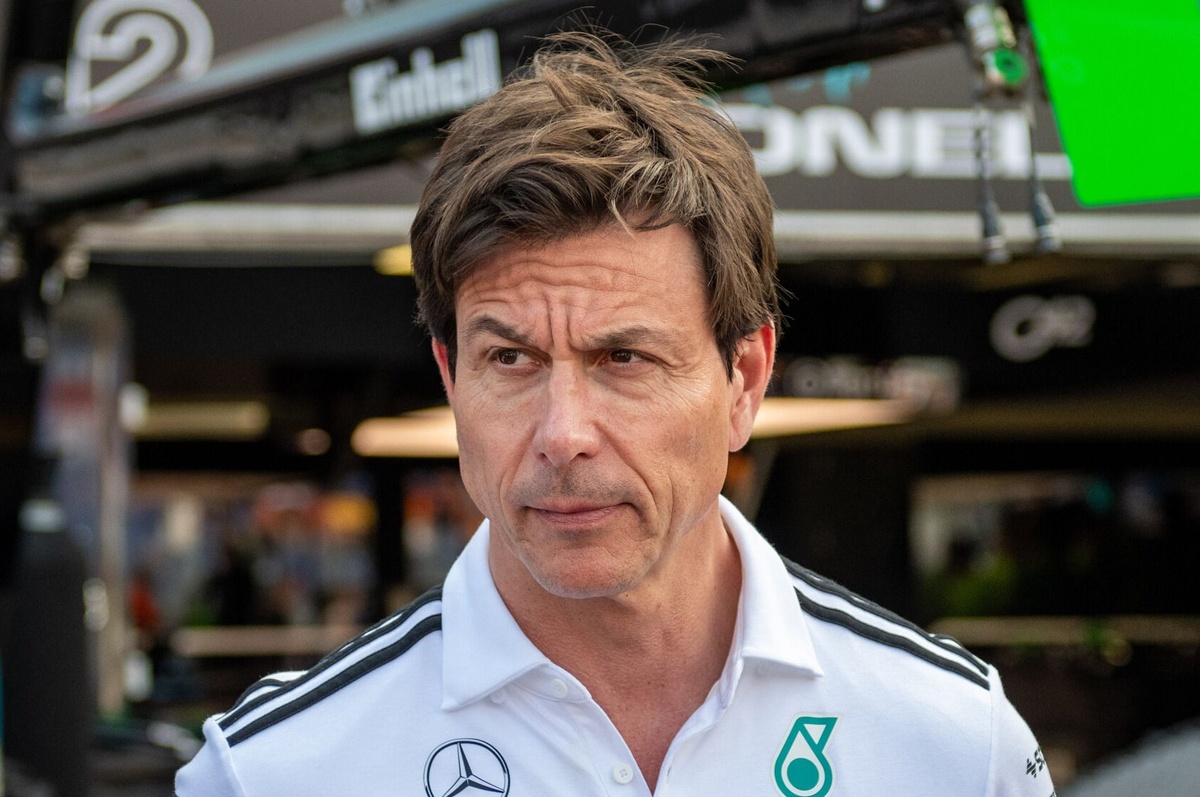
That’s exactly why Toto Wolff’s 2016 flashback is so spicy. In an interview, the Mercedes chief revisited how he temporarily sidelined Lewis Hamilton and Nico Rosberg after a cycle of collisions and escalation that threatened the team’s internal control. And here’s the key lesson for 2026: in a modern factory-backed outfit, the brand and the hierarchy in the pit must come before personal pride.
What Wolff revealed about the 2016 crisis
Wolff’s starting point was brutally simple. You represent the brand Mercedes, and you don’t get to treat the car as an extension of your ego. Sure, Hamilton and Rosberg were competitors. Sure, they were allowed to race each other. But the line was clear: no collision avoidable moments, no matter how loud the title pressure gets.
He then went into the numbers of intent, not just the headline drama. In 2016, Hamilton and Rosberg hit each other twice, and Wolff says he acted immediately once it became clear the situation wasn’t cooling down. The escalation wasn’t just about speed; it was about conduct, communication, and whether the team could enforce orders de equipe and shared boundaries.
And yes, Wolff admits he even considered removing both drivers from the equation. He called Mercedes executive Dieter Zetsche and asked for a process to be signed off, framing it as protecting the team’s interests. Zetsche pushed back with a fair question: were they making both drivers disposable?
Wolff’s answer was the cold, command-and-control mindset leaders need when the dispute for the title starts warping team dynamics: if you don’t set the limit, the message never lands. So he moved from principle to action.
Why Hamilton and Rosberg became an internal problem
From a tactical standpoint, the problem in 2016 wasn’t that two elite drivers wanted to win. It was that their rivalidade interna stopped being fuel and turned into friction. Wolff’s words point to a turning point: the rivalry moved from competitive to personal, and that shift is poison for decision-making across the garage.
In management terms, once a driver pairing loses respect for the hierarchy no box, everything downstream gets messy. Strategy calls become harder. Feedback loops get polluted. Even the most disciplined engineers start second-guessing whether the next push will be clean or chaotic.
Wolff described how the team informed them that, at that moment, they were not part of the setup. Then the follow-up meeting came with a promise that sounded like a threat but was really a governance tool: if it happened again, one of them would have to leave, because if you can’t identify blame with certainty, you still have to protect the structure.
That last line matters. When Wolff says he can make a mistake about who was at fault, he’s basically telling you the team can’t gamble on clarity during peak pressure. That’s not cowardice. That’s risk management.
The Mercedes logic: brand above the ego of the drivers
Here’s the part people try to romanticize as “team politics,” but it’s more concrete than that. Wolff frames it as a culture contract: the drivers must understand their place in the system. They’re not solo athletes in a vacuum. They’re the visible face of a machine that employs 2,500 people, and those people don’t sign up for personal drama.
When Wolff brings up the workforce, he’s talking about gestão de piloto with real consequences. If two drivers turn the title fight into a loop of avoidable incidents, the cost isn’t only on the pit board. It hits the factory rhythm, the morale, and the credibility of the marca Mercedes as a professional operation.
And that’s where ordens de equipe become more than a radio instruction. They become a shared understanding of limits. In Wolff’s model, the disputa pelo título can be intense, but it has to stay within the boundaries that keep the team functional.
The weight of the decision for the team and for the employees
Let’s not pretend this was a gentle coaching moment. Wolff’s decision was designed to shock the system back into order. He essentially told them: respect the limits, or the organization will act, even if it means breaking the fan-facing narrative of “the two stars.”
That’s a tough call, and it’s why his leadership reads as polêmico. But from an analyst’s chair, it’s also logical. If you allow repeated colisão evitável incidents to slide because “they’re rivals,” you teach the entire hierarchy in the pit that rules bend for talent.
In 2026, with Mercedes once again running a double-threat setup, that teaching becomes critical. The team can’t afford to repeat the 2016 pattern where internal breakdown threatens the season plan. One bad weekend can spiral into a season narrative that no engineer wants to chase.
What this episode says about Mercedes in 2026
Wolff’s 2016 memory lands differently now because Mercedes are in that familiar zone: two strong cars, two strong drivers, and a championship fight that makes every decision feel personal. If 2026 stays as dominant as it has looked so far, the internal pressure will only grow, and the same question returns: who controls the room?
So what do we take from it? That Wolff doesn’t just manage pace. He manages ego, limits, and the interests of the team above the individual. He’s willing to enforce ordens de equipe not as “control for control’s sake,” but as a way to keep the hierarquia no box intact when emotions run hot.
And yes, it’s not only about Hamilton and Rosberg in the past. It’s about how Mercedes will handle the next generation of gestão de piloto—including George Russell and Kimi Antonelli—when results make comparisons inevitable and the rivalidade interna threatens to become a distraction.
In 2016, Wolff addressed the issue early, before it became structural. If Mercedes in 2026 are serious about staying on top, they’ll do the same: set boundaries, communicate them clearly, and make sure the drivers understand the team’s priorities. Because the car may be raced by one driver at a time, but the season is built by everyone together.
O Veredito Jogo Hoje
Wolff didn’t “save the season” with a clever quote—he shut the door on chaos. That’s the difference between a team that wins and a team that performs. When two top drivers collide, the real test isn’t who was faster in qualifying; it’s who protects the brand Mercedes and the internal hierarchy when emotions try to hijack strategy. That’s what 2016 taught, and if Mercedes want 2026 to stay spotless, they’ll keep proving that command beats ego every single time.
Perguntas Frequentes
Why did Toto Wolff send Hamilton and Rosberg away in 2016?
Because Wolff said they hit each other twice and the situation escalated beyond competition into personal animosity, risking the team’s control. He wanted a clear message that the drivers must respect limits and protect the team’s interests above individual emotions.
What happened between Hamilton and Rosberg after the collisions at Mercedes?
After the repeated incidents, Wolff implemented a firm action plan: the team told them they were not part of the team at that moment, then warned that if it happened again, one of them would have to leave. Wolff also highlighted that fault can be complex, so protecting team stability comes first.
How does the 2016 rivalry help explain Mercedes today?
It shows Wolff’s management philosophy: with two strong drivers, the team must enforce orders de equipe, keep a strict hierarquia no box, and prevent internal conflict from becoming a distraction. With Mercedes’ 2026 dominance, those lessons are even more relevant for controlling risk and ensuring the season stays on track.