Miami gave us another slice of the same old tension: Lance Stroll didn’t just critique the current Formula 1 package, he directly challenged the way the leadership sells it. And in a sport that lives on pace and persuasion, that’s a loud signal. According to Jogo Hoje, this kind of friction between the steering wheel and the boardroom keeps resurfacing—only the stakes keep getting higher.
With the regulamento de 2026 looming, Stroll’s message lands at the exact intersection where performance, spectacle and sponsor confidence collide. The big question isn’t whether F1 can market a new era—it’s whether the underlying driving experience is actually improving, or being cosmetically managed.
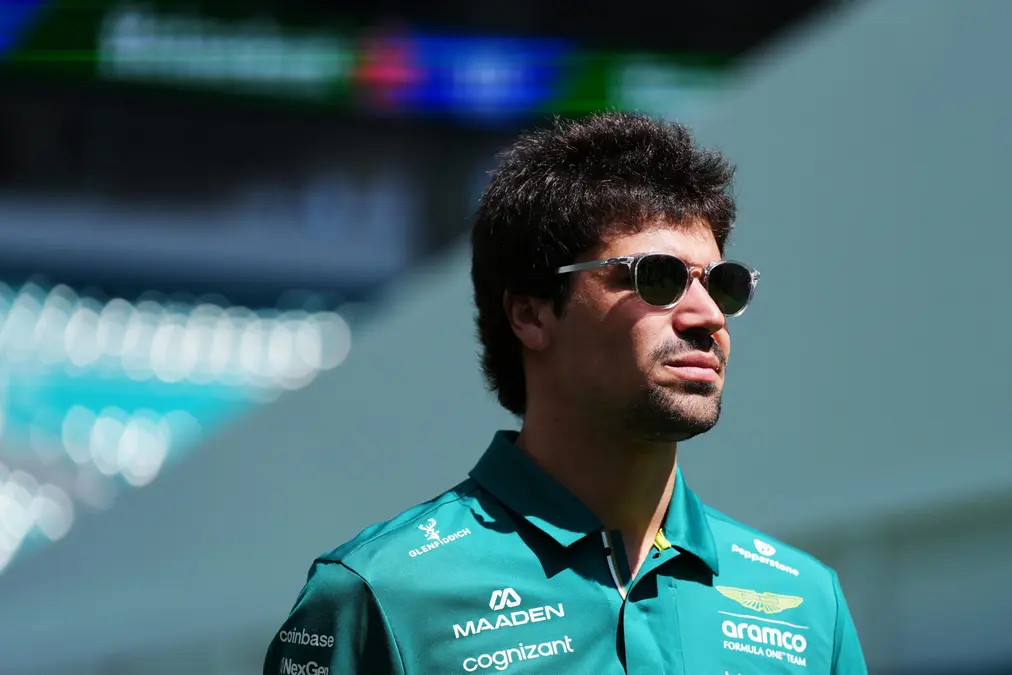
Stroll’s declaration in Miami
Speaking in a press conference in Miami, Stroll went straight for the mechanism. He argued that Stefano Domenicali, F1’s CEO, praises the present rules not because they’re delivering the best racing, but because they help the category’s commercial story.
That’s the heart of the narrativa comercial: keep the product looking exciting, keep the audience engaged, keep the sponsors comfortable. Stroll framed it as a mismatch between what executives want to project and what drivers feel on track. For him, it’s two perspectives staring at the same data—just one of them is living with the consequences every lap.
His point was blunt: F1 is a business, so the system is designed to look good to the public. Meanwhile, drivers and true hardcore fans don’t get fooled by the talking points. They remember what strong cars used to feel like—balance, traction, braking confidence—rather than racing that’s engineered around constraints.
What Domenicali said about the 2026 rules
During the F1 break after the GP do Japão, Domenicali spoke to Autosport. He defended the direction of travel and insisted the current approach is generating racing that isn’t “manufactured.” In his view, the overtaking we’re seeing comes from the performance effects linked to the descarregamento da bateria, and therefore it’s not fake spectacle.
Technically, the argument hinges on the perda de potência cycle created by battery discharge management. When power availability drops and then returns, it changes traction and timing windows—so the racing rhythm can look more dynamic than it would under stable power delivery.
Domenicali’s version of events is essentially: the current rules create real on-track outcomes, and the resulting battles are legitimate. The leadership line is that fans are getting genuine action, not gimmicks.
Why Stroll’s criticism hits a nerve inside F1
Because Stroll didn’t just disagree with the engineering narrative—he questioned the motives behind it. When a front-line driver suggests the governing structure is curating impressions for broadcasters and sponsors, that’s not a technical debate anymore. It becomes a credibility problem.
And in modern F1, credibility is currency. The category is selling a future product, and it needs the story to be coherent: better racing, better entertainment, better commercial value. But feedback dos pilotos is where the story either becomes believable or collapses.
Stroll’s rhetoric in Miami is basically a challenge to the idea that “it’s fine, trust us.” He’s telling the audience that the produto da F1 might look good on screen and in meetings, yet the actual driving feel is slipping away from what top-level machinery should deliver.
So yes, this is polêmico. Not because Stroll is wrong to talk. Because he’s poking the exact tender spot: whether the sport is optimizing for authentic competition or for packaged outcomes—especially around ultrapassagens artificiais concerns.
What’s at stake in the new technical package
As F1 heads toward the 2026 regulations window, the sport is trying to reset several variables at once: speed, efficiency, and the probability of clean racing. The technical philosophy is meant to reduce the dependency on perfect conditions and increase overtaking opportunities without turning the whole show into a timing experiment.
But Stroll’s critique implies that the current system already leans too hard on power disruption effects. If the racing is heavily influenced by the descarregamento da bateria and the resulting perda de potência, then the tactical landscape changes. Teams start planning around power cycles rather than purely around aerodynamic and mechanical grip.
That’s where “racecraft” gets blurred. When overtakes start to feel like clockwork—driven by the timing of energy availability rather than driver advantage—fans notice. Drivers notice more.
- Less consistent power delivery can turn overtakes into timing gambles instead of clean, skill-based moves.
- Teams may optimize strategies around the power window rather than maximizing confidence in braking and traction zones.
- As the regulamento de 2026 approaches, the risk is carrying forward a spectacle logic that players on track don’t fully endorse.
And don’t forget the calendar pressure. F1 returns from May’s break between 22 and 24 May with the GP do Canadá. If the racing still doesn’t feel “right” to drivers, the political temperature rises fast—especially when sponsors and media ask for certainty.
Impact on perceptions of drivers, fans, and sponsors
For drivers, this kind of public pushback is a warning flare. It signals that the feedback dos pilotos isn’t just being ignored—it’s being actively contradicted by leadership messaging.
For fans, the danger is narrative fatigue. Viewers can handle complexity, but they can’t handle constant contradictions. If the sport claims the overtaking is natural while drivers insist it’s closer to engineered outcomes, the audience starts asking: “Are we watching the best version of F1, or a controlled show?”
For sponsors, it’s about stability. Brands want a product that can be defended in meetings, not one that keeps generating doubt about authenticity. When Stroll frames the leadership position as a way to “make a good impression,” that’s a reputational risk—because sponsors don’t just buy speed. They buy certainty.
So the reputational math gets messy. The closer F1 gets to presenting 2026 as the next big thing, the more damaging it is if the driving community says the current direction feels compromised.
O Veredito Jogo Hoje
Stroll is right to drag this into the daylight. If the leadership’s defense of the current approach depends on power disruption arguments, then drivers deserve to challenge the implications—especially when the racing starts resembling ultrapassagens artificiais in the way it’s timed and managed. F1 can’t just market the produto da F1; it has to earn trust with a package that feels like top-tier machinery, not a carefully staged narrativa comercial. No amount of CEO optimism will cover the gap between boardroom messaging and what the steering wheel tells you.
— Analista Tático, JogoHoje
Perguntas Frequentes
What did Lance Stroll say about the 2026 regulations?
He argued that F1 leadership praises the current rules for strategic reasons and claimed the sport is trying to protect its business image, not necessarily deliver the best on-track racing ahead of the regulamento de 2026.
Why did Domenicali defend the current Formula 1 rules?
Domenicali said the overtaking produced by the system is not artificial, pointing to the performance impact created by descarregamento da bateria and the resulting perda de potência.
What is the main driver criticism about the new F1 car direction?
The core complaint is that the racing can feel influenced by managed power effects—raising concerns about ultrapassagens artificiais—and that the driving experience doesn’t match what fans expect from truly high-performance cars, as reflected in feedback dos pilotos.