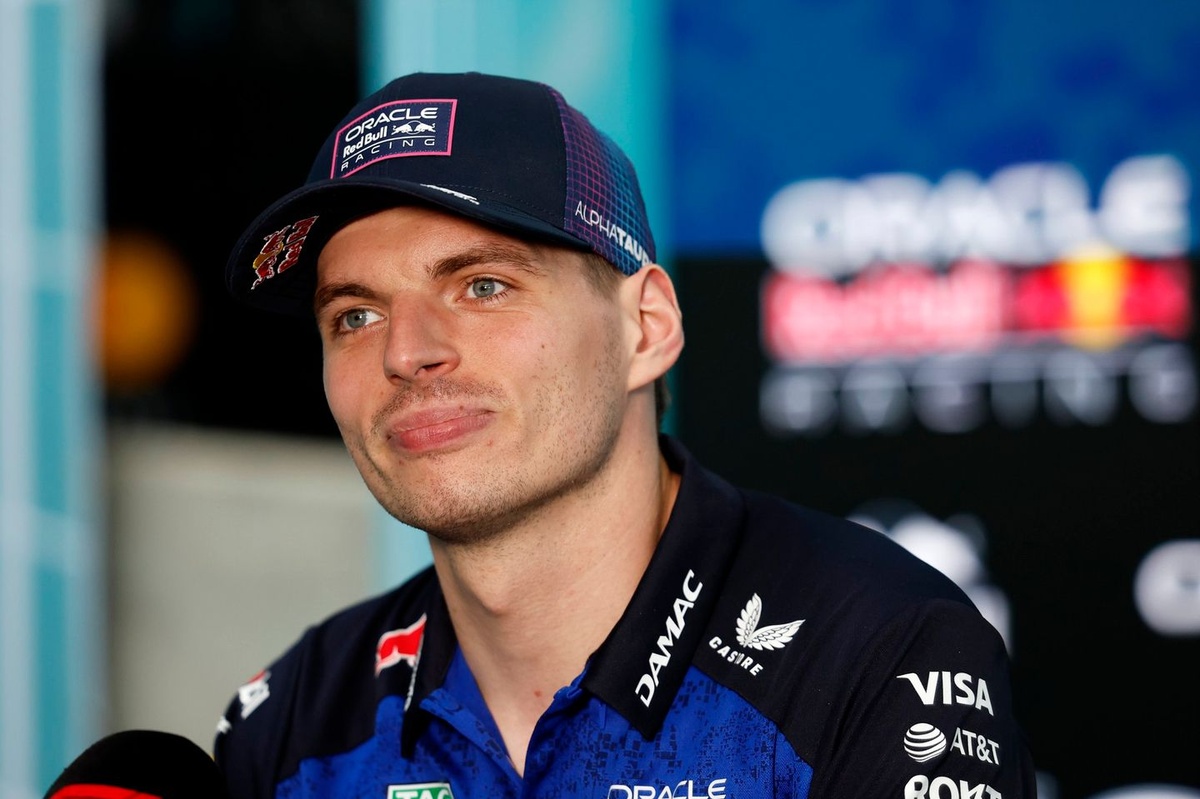
Juan Pablo Montoya isn’t one to whisper. In a recent BBC Chequered Flag podcast, the ex-F1 driver argued that Max Verstappen and other outspoken voices should face super license consequences for publicly attacking the sport’s direction ahead of the regulamento técnico de 2026. According to our coverage, we’ve been tracking how the Jogo Hoje team is following the fallout around F1’s 2026 overhaul and the full picture of what’s being said inside the paddock culture—because this isn’t just noise, it’s strategy.
Montoya’s proposal is blunt: if pilots keep pushing negative messages about the 2026 package, they should be hit with points of penalty that could even escalate to an interruption of participation. And when you put the spotlight on Verstappen—arguably the most forceful and visible critic—the political message lands harder than any press release.
What Montoya said on BBC Chequered Flag
Montoya framed the issue as respect. “It’s necessary to respect the sport,” he said, before turning the conversation from general complaints to the specific tone being used by drivers.
He didn’t just take issue with disagreement. His target was the manner: the idea that questioning the rules is one thing, but dragging the legitimacy of the series—especially the very things that pay the bills—should carry weight. The numbers he threw into the conversation were the headline.
When asked what “consequences” could mean, he suggested a sanction via the super license: “Add seven points, eight points… It doesn’t matter what you do after, you’ll get taken out.” The logic is straightforward and ruthless: accumulate points of penalty, reach the threshold, and the driver loses the chance to race.
And that’s the real tactical edge in his comment. Montoya wasn’t proposing a debate. He was proposing a mechanism to control the narrative.
Why Verstappen became the main target
Montoya isn’t picking Verstappen at random. Verstappen is the name that keeps showing up in the most heated corners of the discussion around 2026—especially as the technical direction becomes harder to sell publicly.
There’s also timing. The backlash has been building even before the cars hit the track. Drivers who tested the 2026 machinery in simulador work have already flagged concerns about how the new rules could shift the aerodynamic effect and, by extension, the whole rhythm of a race weekend.
So when Verstappen keeps going, the paddock reads it as more than opinion. It becomes leverage, and leverage becomes politics. Montoya’s stance basically says: stop turning the sport into a public shouting match.
Here’s the uncomfortable question: if the biggest voice won’t cool down, who’s left to absorb the pressure? Teams can ask for silence, but the driver market is built on personality. That contradiction is where this story gets spicy.
What’s at stake in the 2026 rules
The regulamento técnico de 2026 isn’t just a technical document—it’s a brand promise. F1 is trying to sell a future where racing is tighter, the spectacle is more consistent, and the show remains coherent even as engineering constraints change.
But the technical stakes are massive. The 2026 shift touches how cars generate downforce, how they manage airflow sensitivity, and how the whole field behaves under pressure—down to the interplay between the power units and the chassis package.
That’s why simulator feedback matters. When drivers say the cars feel different in ways that threaten on-track variety, they’re not complaining about aesthetics. They’re hinting at competitive risk, not just “driver preference.”
And once that risk becomes public, it creates a second battle: not between cars, but between narratives. Who controls the story controls the temperature of the negotiations, the sponsorship messaging, and—quietly—the tolerance for political friction.
Super license: how the suggested punishment would work
Montoya’s idea centers on a tool F1 already understands: the super license points system. The threshold for a race ban in F1 comes when a driver accumulates 12 points on their super license.
Montoya’s pitch is to front-load the penalty for public negativity. His “seven or eight points” estimate is designed to make the threat feel real rather than symbolic. If a driver is already sitting on the edge, those points of penalty could turn a verbal stance into a sporting consequence quickly.
It’s also a message to the broader group: if you want to criticize, do it through channels that don’t disrupt the official storyline. In other words, he’s trying to enforce discipline using the same framework that punishes on-track behavior.
The tricky part is what counts as “negative” and who decides. F1 loves regulation—until the regulation becomes a mirror. If language becomes punishable, the sport risks turning communication into another technical compliance problem.
The weight of Montoya’s history x Marko
Montoya’s comment carries extra gravity because of his baggage. His relationship with Helmut Marko has long been tangled, and Marko’s close association with Verstappen adds a layer of subtext.
Montoya’s career isn’t small either. He won 7 GPs in 94 starts across stints with Williams and McLaren, and he raced in F1 from 2001 to 2006. He knows what it means when team politics and driver feedback collide.
In 1997, he also spent time in Helmut Marko’s orbit in Formula 3000. That history matters because when Montoya talks about accountability, it doesn’t sound like a random hot take—it sounds like a man who’s seen how opinions get weaponized behind the scenes.
There’s even a parallel in how audiences interpret the message. When Marko later questioned Montoya’s performance and work ethic, the old tension resurfaced. That’s the kind of backdrop that makes people wonder whether “Verstappen the critic” is also “Marko’s camp” by proxy.
So yes, the quote is about 2026. But the undercurrent is bigger: a fight over who gets to shape the sport’s direction, and whose voice gets treated as legitimate.
What this reveals about F1 off the track
F1 has always been a political machine disguised as a racing league. The difference now is that the political battlefield is louder than ever because the regulamento técnico de 2026 is arriving with reputational pressure attached.
Teams are trying to contain the fallout by pushing pilots to keep comments aligned with the official line. Our read is that this is less about truth and more about managing expectations before the public can “lock in” a narrative of failure.
And ex-pilots—especially those returning as “ambassadors”—often get the alignment emails. In the modern paddock culture, even the messengers are curated. The problem is that drivers are athletes, not brand managers. They’re wired to react, not to sanitize.
Montoya’s outburst is therefore a stress test. If F1 clamps down on public dissent using super license mechanics, it could reduce the noise. But it could also breed resentment and sharpen the divide between those inside the tent and those outside.
So the real question isn’t whether criticism is allowed. The question is whether F1 is ready to regulate communication with the same seriousness it regulates power units, aero, and race procedures. Because once you start penalizing words, you’re admitting that words have become part of the competitive landscape.
O Veredito Jogo Hoje
Montoya está vendendo uma ideia que parece disciplina, mas na prática é controle de narrativa com luvas de ferro: se você transforma opinião em points of penalty, a F1 deixa de ser só uma categoria de corrida e vira um departamento de compliance. A gente entende o incômodo com a barulheira sobre o regulamento técnico de 2026, mas punir o debate não conserta o que o carro pode fazer—no fim, o que decide corrida é aerodynamic effect no mundo real, não a postura no microfone. A pergunta que fica é: a F1 quer mais respeito do paddock ou quer calar a pressão antes que ela vire processo?
Perguntas Frequentes
What did Juan Pablo Montoya say about Max Verstappen?
Montoya argued that Verstappen’s public negativity about the 2026 direction should face sporting consequences via the super license, suggesting that additional points of penalty could ultimately lead to being sidelined.
How many super license points would lead to a race ban in F1?
In F1, a race ban happens when a driver reaches 12 points on the super license.
Why are the 2026 rules generating so much controversy among drivers?
Because the regulamento técnico de 2026 changes how cars behave—especially the aerodynamic effect and overall race characteristics—and drivers have raised concerns even after simulator work, with implications for competitiveness, overtaking and race spectacle.