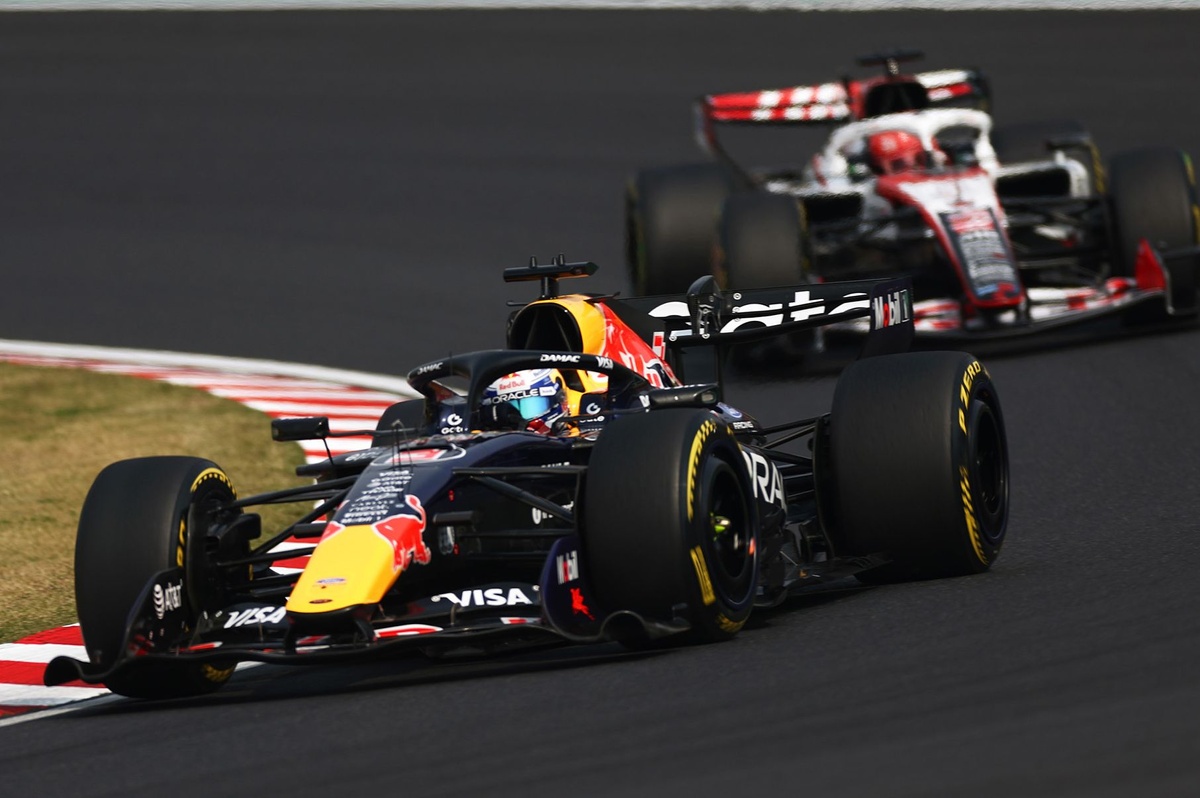
According to apurou the Jogo Hoje F1 coverage, Red Bull is doing something that looks small on paper but hits the car’s workflow in the real world: it has promoted Ben Waterhouse to a bigger engineering role and brought in Andrea Landi to reshape the technical structure, with the stated goal of pushing development of competitive, high-performance solutions faster. In other words, this is a board-level move with track-level consequences.
What Red Bull announced
On Friday, 17, Red Bull confirmed Ben Waterhouse will take on a combined job as Head of Performance and Project Engineering, acting as the bridge between the project side and performance side of the monoposto and reporting to technical director Pierre Waché. The pitch from the team is clear and very “process-driven”: this interdepartmental function is meant to strengthen integration interdepartamental and accelerate the delivery of solutions that actually show up as lap time.
Waterhouse’s previous position as head of performance engineering is not being discarded; it’s being elevated into a role that forces closer alignment between data, design intent, and what the car can truly execute on track. That’s the kind of “plumbing” move that top teams treat like a competitive weapon.
Why Waterhouse gained a bigger role
Waterhouse has been a long-time anchor in Red Bull’s engineering ecosystem, moving through roles that put him close to how performance is extracted and how design decisions become on-track behavior. By making him the director technical level connector between projeto aerodinâmico thinking and engenharia de desempenho execution, Red Bull is effectively tightening the loop between the people who draw the car and the people who measure what the car does.
This matters because performance isn’t just “more upgrades.” It’s the speed of iteration: how quickly the team turns a concept into a part, a part into a test, a test into a conclusion, and a conclusion into the next step. In that cycle, the estrutura técnica decides whether the team moves like a scalpel or a sledgehammer.
And yes, Waterhouse will hand over his previous job: from 1 July, he will be replaced on the performance side by Andrea Landi.
Who Andrea Landi is and what he did at Racing Bulls
Andrea Landi arrives from Racing Bulls, where he served as vice technical director. In Faenza, he worked under the technical direction of Tim Goss and Dan Fallows, with the structure split so that one side owned design and another side owned performance. Landi’s remit was centered on the projeto aerodinâmico and the overall car project, while Guillaume Cattelani led the performance department.
That division is familiar in elite F1 operations, but what Red Bull is doing now is trying to blur the boundaries just enough to reduce the friction that costs weeks in development. Landi’s background in linking design intent to what the car needs to deliver should help Red Bull keep its desenvolvimento do monoposto moving without losing the discipline of engineering accountability.
What this change says about Red Bull’s technical strategy
This is not a cosmetic shuffle. It’s a structural decision that says Red Bull wants fewer handoffs and more shared ownership across the workflow. When a team creates a role specifically to “strengthen integration,” it’s basically admitting that the previous setup left performance engineers waiting for design answers, or design engineers waiting for performance feedback, or both.
By elevating Waterhouse into a performance-plus-project connector and placing Landi into the performance slot from 1 July, Red Bull is reorganizing its estrutura técnica to make the car’s direction more coherent. That coherence is the difference between throwing parts at the problem and solving the problem.
Also, Red Bull framed the move as part of its talent pipeline while still attracting top specialists. That’s the modern playbook: internal continuity for culture and external expertise for edge. The question is whether the new integração interdepartamental will translate into faster upgrade validation, sharper setup windows, and better performance consistency across sessions.
The effect of the reorganization amid exits linked to McLaren
Timing matters. Red Bull’s technical reshuffle lands in a moment where rivals have been taking key figures away, and the market has been louder about departures than arrivals. Recent headlines include:
- Gianpiero Lambiase, Max Verstappen’s long-time race engineer, is set to join McLaren starting in 2028, after the end of his current contract.
- Will Courtenay, formerly Red Bull’s head of strategy, moved to McLaren as sporting director.
- Courtenay’s step also reflects how the wider Red Bull technical and operational ecosystem is being watched closely by competitors, including McLaren.
Now, Courtenay already crossed the line as sporting director, and Waterhouse and Landi are effectively Red Bull’s counterpunch on the engineering chessboard. If McLaren is pulling on strategy and race-day decision-making, Red Bull is pulling on the performance do carro pipeline itself: how fast the car learns.
Is this an early warning system? It sure reads like one. If you’re Red Bull, you can’t afford upgrade cycles that feel sluggish while your rivals tighten their own links between strategy, performance analysis, and development priorities.
O Veredito Jogo Hoje
Red Bull isn’t chasing headlines; it’s rearranging the nuts and bolts that decide whether a concept survives contact with reality. Promoting Waterhouse into a direct director technical bridge role and bringing Landi into performance from 1 July looks like a clean attempt to speed up development of solutions by compressing the gap between projeto aerodinâmico and engenharia de desempenho. If this estrutura técnica works as intended, the car won’t just get faster parts it will get a faster feedback loop, and that’s where championships are usually won or lost. We call it: this is Red Bull tightening the technical rhythm before the market takes more from the board.
Perguntas Frequentes
Who is Andrea Landi and what will be his function at Red Bull?
Andrea Landi is the vice technical director from Racing Bulls. From 1 July, he will take over Waterhouse’s previous role, leading performance responsibilities while the overall structure aligns better with the project side.
What changes with the promotion of Ben Waterhouse?
Waterhouse moves into a combined head role for performance and project engineering, positioned to act as the integration link between design/project and performance teams, reporting to Pierre Waché. That should strengthen integration interdepartamental and speed up decision-making for the monoposto.
Why is Red Bull reorganizing its technical structure now?
Because Red Bull wants a tighter estrutura técnica that reduces handoff delays and improves iteration speed. The timing also matters in a competitive environment where key rival moves, including high-profile departures toward McLaren, raise the pressure to keep the performance do carro development cycle relentlessly sharp.